


















Wish Recovery’s Blog

Welcome to the Wish Recovery addiction treatment and addiction recovery blog. Browse through our growing number of resources like videos and articles to learn more about addiction and recovery. We add more content all the time.

What to Expect at Cocaine Rehab in Connecticut Today

When you’re researching cocaine rehab Connecticut programs, you’ll find a diverse range of options—from medically supervised detox to long-term residential care and outpatient support. With more than 230 drug and alcohol rehab centers statewide, Connecticut offers accredited facilities near urban centers and secluded retreats in rural settings. Whether you need detox services, inpatient rehab, or dual diagnosis treatment, you can tailor your recovery path to your unique needs.
 

How a 30 Day Rehab Program in New Jersey Can Change Your Life

Embarking on a 30 day rehab program new jersey can transform your life by providing a structured environment, expert care and proven therapies—all within a focused, 28- to 30-day timeframe. If you’re ready to take the first step toward lasting recovery, understanding how these programs work in New Jersey will help you choose the right path for your needs.

Am I an Alcoholic If I Binge Drink?

Drinking alcohol is popular among many people. From daily use to only special occasions, from social to binging, they differ from moderate to unhealthy use. Binge drinking and drinking too much alcohol can raise the risks of developing alcohol use disorder (AUD). Conditions encompassed within an AUD diagnosis include those associated with alcohol addiction, alcohol abuse, and alcohol dependence.

When Prescription Drug Use Becomes Abuse: How to Spot the Signs

Pain is difficult to handle because it is both something we want to avoid and something that can be useful. The experience of pain lets us know that we are injured or sick, which is valuable. However, even the mildest pain forms are unpleasant, so people often buy over-the-counter pain medications. These can help with everyday or occasional pain, but there are times when they are not enough. For example, store-bought medications might not effectively handle the pain after surgery or when dealing with cancer.

How Can I Maintain My Alcohol Recovery When Life Gets Stressful?

Struggling to stay sober during stressful times? You're not alone.
In this video, we explore practical strategies to help you maintain your alcohol recovery when life gets tough.
From mindfulness techniques to support networks and coping strategies like urge surfing, you'll discover powerful tools to stay on track.
At Wish Recovery, we provide the guidance and support you need to navigate challenges and achieve lasting sobriety. Watch now and take the next step in your recovery journey.

Untangling the Threads: A Deep Dive into the Complex Intersection of Substance Use and Eating Disorders

The intricate web of the co-occurrence of eating disorders and substance misuse is a complicated dance of conditions that often pair together—creating unique challenges for individuals and health professionals alike. This tandem of troubles, known in the medical world as “comorbidity,” is a subject that is often shrouded in mystery and misconceptions. In this article, we aim to shed light on this complex connection, offering insights into how these disorders interrelate and their impact on the individuals caught in their grip.

Your Guide to Effective Long-Term Residential Rehab in Kentucky

When you’re exploring long term residential rehab kentucky, you might feel overwhelmed by program choices, cost considerations, and admission requirements. This guide lays out what you need to know about medically supervised detox, residential stabilization, and evidence-based therapies to help you make informed decisions. You’ll learn how to compare facility models, estimate expenses, and prepare for admission so you can focus on your recovery journey with confidence.

Your Path to Recovery with Fentanyl Addiction Treatment in Virginia

Fentanyl addiction treatment Virginia starts with understanding your options for detox and rehabilitation. In this guide, you’ll explore medically supervised detox, structured residential care, co-occurring mental health services, and long-term recovery planning. Whether you need immediate access to medical detox in virginia or a tailored inpatient rehab in virginia program, you can find the right path to reclaiming your health and well-being.

Introducing Intravenous Detox: The Next Step in Safe, Medically Supervised Recovery

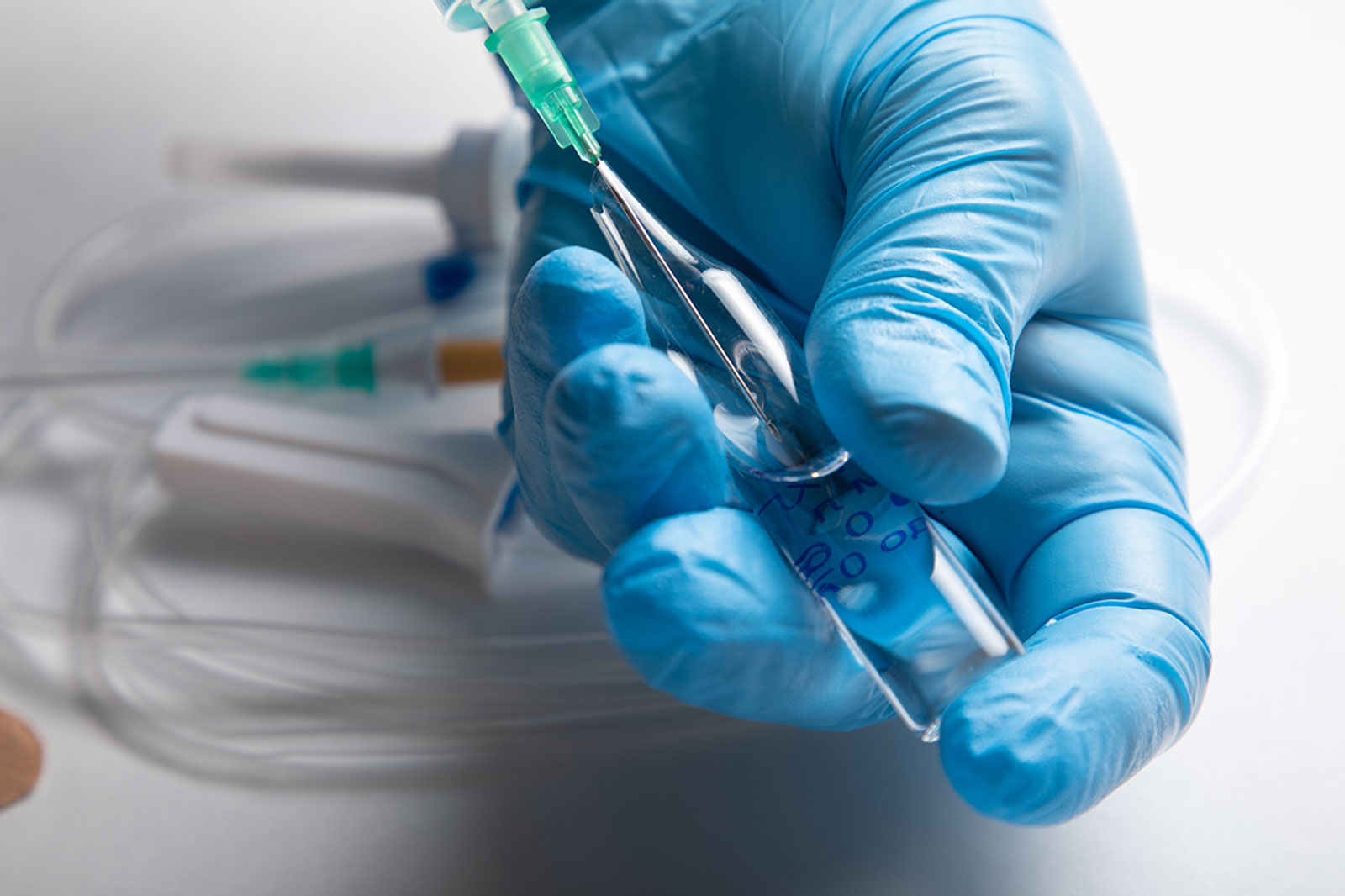
When considering addiction treatment options, it's critical to look at how the treatment center approaches detoxification. Detoxing involves many risks, sometimes life-threatening when attempting cold turkey at home or without medical supervision. The safest and most effective approach is to have a medically supervised detox at a treatment facility.

How Long Does Alcohol Stay in Your System? Guide

You're three drinks in at happy hour and your phone's out—calculator open, Google search running, mental math happening. If I stop now and leave in two hours, am I safe to drive? If I have that test tomorrow, will this show up? Every website gives a different answer regarding how long it takes to detect alcohol in your system.Some say hours, some say days, some say it depends on a dozen factors they don't actually explain.

Here's what's actually happening in your body when drinking alcohol, exactly how long alcohol stays detectable, and when these questions might mean something bigger than just tonight's logistics.

Why Dual Diagnosis Treatment in New Jersey Matters for You

Dual diagnosis treatment New Jersey combines addiction care with mental health support to address both substance use disorders and psychiatric conditions simultaneously. If you’re navigating addiction recovery while managing anxiety, depression or other mental health challenges, dual diagnosis treatment in New Jersey offers the comprehensive, integrated approach you need. By tackling both aspects of your health, you can achieve more stable sobriety and better long-term outcomes.

Drug Rehab in New York: Powerful Care for Lasting Change

As you explore drug rehab in New York, you’ll find robust protections under state law. Since 2024, New York health insurance policies must cover diagnosis and medically necessary inpatient and outpatient treatment for mental health conditions and substance use disorders, including drug rehab services (New York DFS). This means you can access medically supervised care without worrying your insurer will deny reimbursement.

Your Path to Recovery with Fentanyl Addiction Treatment in New Jersey

You’re navigating a path toward recovery, and if you need fentanyl addiction treatment New Jersey offers comprehensive options tailored to your needs. Whether you’re just recognizing the problem or you’ve been seeking help for some time, understanding your treatment journey can make all the difference. In this article you’ll learn how detox management, structured inpatient care, therapy methods, co-occurring disorder support and aftercare come together under New Jersey’s programs, so you can take informed steps toward lasting recovery.

Your Path to Healing with a 30 Day Rehab Program in Connecticut

Overview of 30 day rehab

When you’re researching addiction treatment options in your state, a 30 day rehab program in Connecticut provides a structured, supportive path to recovery. In this model, you spend roughly four weeks in a residential setting where medical detox, therapy and skill-building sessions form a cohesive plan. Many facilities combine detox services with individual counseling, group work and holistic activities so you can address the physical, emotional and behavioral aspects of substance use. Whether you enter a [detox and rehab center connecticut] or a [residential treatment program connecticut], you’ll find a consistent routine designed to foster safety and accountability.

The Benefits of a Structured 60 Day Treatment Program in Wisconsin

When you explore a structured 60 day treatment program Wisconsin, you benefit from an extended period of care that addresses withdrawal, relapse prevention, and sober living skills. This model bridges the gap between short-term detox and outpatient support, offering a consistent continuum of care. In Wisconsin, a 60-day course can include medical supervision, evidence‐based therapies, and community reintegration planning, all designed to reduce the risk of relapse and strengthen your recovery toolkit.

Understanding the Different Levels of Care in Continuum Treatment for Substance Abuse

The continuum treatment concept is a dynamic, multi-tiered approach to substance abuse recovery that considers every aspect of a person's mental, physical, and social well-being. It offers a range of intensities to meet each person's unique needs and provides ongoing support and guidance even after the initial treatment phase.

Continuous care is a vital aspect of continuum treatment that ensures individuals receive continuing support and resources to maintain their sobriety and prevent relapse. It is a long-term approach to recognizing addiction as a chronic disease requiring ongoing care and attention. This provides a comprehensive solution to addiction that not only helps individuals overcome their substance abuse but also equips them with the tools and resources to maintain their recovery over the long term.

This blog post aims to provide a comprehensive guide to understanding the different levels of care offered in continuum treatment for substance abuse.


Find Hope with the Best Long-Term Residential Rehab in North Carolina

When you search for long term residential rehab North Carolina, you’re looking for a program that offers 24-hour medical supervision, structured therapy, and community support in a home-like setting. You need clear information about licensing requirements, program structure, therapy modalities, success metrics, costs, and co-occurring disorder resources to make an informed decision. In North Carolina, licensed long term residential rehab programs must comply with Subchapter 27G of the North Carolina Administrative Code, ensuring quality standards for mental health, developmental disabilities, and substance abuse facilities. This guide helps you navigate your options and find the best program for your recovery journey.

Cultural Alcoholism and Drinking Cultures Around the World

Alcohol consumption is a socially and culturally ingrained phenomenon that has been a part of human history for centuries. This has led to the development of cultural alcoholism, which is a term used to describe excessive and problematic drinking within a culture or social group. Social norms and ideas around drinking have shaped the history of many societies, leading to the risk of developing alcohol use disorder (AUD), chronic relapsing brain disease, compulsive alcohol use, loss of control over drinking, and negative emotional states when not using alcohol. Cultural norms about drinking alcohol can affect how and why a person drinks and feels about it. This can have a considerable effect on alcohol-related problems.

Serving Up Enhanced Care with Nutrition in Substance Abuse Treatment Programs

Have you ever wondered why some treatment centers focus so heavily on gourmet meals? It's not just about comfort---your brain is literally rebuilding through what you eat. The surprising truth: proper nutrition could be the missing link in your journey that no one's talking about.

When you're rehabilitating from substance abuse, what you eat matters just as much as your therapy sessions. Good nutrition isn't just a side benefit---it's a cornerstone of successful improvement that supports your physical rehabilitation, emotional stability, and overall health.

Best Substance Abuse Treatment Covered by Insurance

Substance abuse affects around 20 million Americans and access to quality treatment is often a major barrier. The cost of treatment is a significant factor, making insurance coverage crucial for those seeking help. In this article, we will explore the relationship between substance abuse and insurance coverage, focusing on policies issued by employers and luxury treatment centers. Understanding the complexities of insurance coverage for substance abuse treatment is important for individuals and their families to make informed decisions and access the help they need. Nowadays, many employer-issued insurance policies include coverage for substance abuse treatment, making it accessible to a larger population.

Knowing the best treatment options covered by insurance helps individuals make informed decisions about the most suitable and effective care.