



















Wish Recovery’s Blog

Welcome to the Wish Recovery addiction treatment and addiction recovery blog. Browse through our growing number of resources like videos and articles to learn more about addiction and recovery. We add more content all the time.

What You Need to Know About Dual Diagnosis Treatment in New Hampshire

If you’re seeking dual diagnosis treatment in New Hampshire, you need a program that addresses both substance use and mental health disorders at the same time. Dual diagnosis occurs when you have a substance use disorder alongside a co-occurring mental health condition such as depression, anxiety, or bipolar disorder. Treating these conditions separately can lead to higher relapse rates and poorer outcomes, so integrated treatment is considered the standard of care.

What Makes a Residential Treatment Center in Hawaii Effective

When you’re exploring a residential treatment center hawaii, you want more than just a place to stay—you need structured support, medical oversight, and specialized care that fits your unique journey. In this article, you’ll learn what makes a residential program in the islands effective, from detox safety and daily schedules to dual diagnosis services, accreditation standards, cost management, and aftercare planning. Whether you’re comparing inpatient rehab in hawaii options or weighing the benefits of a detox and rehab hawaii package, this guide will help you make an informed decision.

Your Guide to Trusted Alcohol Detox in New Hampshire

When you look for alcohol detox in New Hampshire, you need a safe, structured way to manage withdrawal and begin recovery. Detoxification is the first critical step in overcoming alcohol dependence. By choosing a medically supervised program, you protect your health, stabilize your condition, and prepare for ongoing treatment.

11 Must-Watch Mental Health Movies on Netflix for Depression Screening Month

Picture this: you're scrolling Netflix at 2 AM, chest tight with anxiety, wondering if anyone else feels as lost as you do right now. Here's something that might change everything—watching the right movie could be the gentle push you need to finally reach out for help.


A groundbreaking study published in JAMA Network Open found that public stigma toward depression plummeted by 18% between 2006 and 2018—and authentic mental health stories in the media drove much of that shift. In October, the Nation paid close attention to depression and mental health screening, but every day, Netflix offers films that do something extraordinary. They don't just entertain—they whisper to those who fear the stigma of a mental health diagnosis that, "You're not alone, and there's hope."    


With nearly 1 in 5 American adults currently experiencing depression and young adult rates doubling from 13% to 26.7% over the past decade, we need every tool available to break down the walls that keep people suffering in silence. These films aren't just entertainment—they're bridges between your pain and possibility.

Can GLP-1s Treat Alcohol Use Disorder? 2026 Research

You typed something into a search bar tonight that you've been thinking about for weeks. Maybe months. Something about GLP-1, alcohol, and whether the stories about Ozempic and drinking are pointing toward something real. We've been watching this research too, and we want to share what we've learned.


Clinical Review

Semaglutide (Ozempic/Wegovy) is showing promising results for reducing alcohol cravings and heavy drinking by acting on the brain's reward system. Recent studies found fewer heavy drinking days and a lower risk of alcohol-related hospitalizations among people taking GLP-1 medications.

However, semaglutide is not FDA-approved for alcohol use disorder and is typically used off-label under medical supervision. Experts emphasize that it works best alongside therapy and comprehensive addiction treatment rather than as a standalone solution.

While the early research is encouraging, larger and longer-term studies are still needed to determine its long-term effectiveness and the patients most likely to benefit.


ROZ RAZZAGHMANESH
Clinical Director, LMFT 102602
WISH RECOVERY


Key Takeaways

  • New 2026 research shows semaglutide can reduce alcohol cravings and heavy drinking days.
  • GLP-1 medications work on the brain's reward system, where the pull toward drinking lives.
  • Semaglutide isn't FDA-approved for alcohol use disorder—it's used off-label with medical supervision.
  • Medication alone doesn't replace therapy, dual-diagnosis care, or the structure of residential treatment.

You don't have to figure out whether this applies to you alone. Reach out to our team at Wish and start a private, no-pressure conversation. Talk to Someone at Wish

The Deadly Truth About Drinking and Driving

Many people believe that it’s OK to drink and drive because they are responsible people. But the truth is, getting behind the wheel after drinking alcohol can have devastating consequences for those around you, as well as yourself. Drinking and driving can have severe impacts on not just your safety but also others—from minor injuries to severe injuries to fines to jail time to death. Too many people believe in the fallacy of immunity that it can’t happen to them. Even if you’ve never had an accident because of drunken driving, it doesn’t mean that you aren’t responsible for other people’s lives when you drink and drive.

Find Effective Cocaine Rehab Options in New Jersey Today

Finding effective cocaine rehab in New Jersey can feel overwhelming given the variety of detox and inpatient programs available. Whether you need medically supervised detox, structured inpatient care, or holistic therapies, understanding your options is essential for sustainable recovery. This guide helps you navigate cocaine rehab New Jersey options by covering detox management, program timelines, therapy methods, and support for co-occurring disorders. You’ll learn about treatment landscapes, cost considerations, and aftercare resources so you can make informed decisions tailored to your needs.

What You Need to Know About Prescription Drug Detox Wisconsin

When you search for prescription drug detox Wisconsin, you’re looking for a safe, medically supervised way to clear your system of opioids, benzodiazepines, stimulants, or other prescribed substances. Detox, short for detoxification, is the first critical step in recovery. During this phase, medical staff help you manage symptoms such as nausea, muscle aches, anxiety, or insomnia while your body rids itself of addictive substances.

Executive Rehab and Privacy: The Questions You're Afraid to Ask Out Loud

If anyone found out, you'd lose everything you built. That thought loops quietly, relentlessly, whenever your mind won't settle down for the night.

Underneath the drinking or the pills sits something heavier: the fear of being seen, of one phone call undoing years of work. Here's what almost nobody tells you upfront: the law protects you more than you'd guess, and the right kind of executive rehab protects you even further.

This is what real confidentiality looks like when privacy gets engineered into treatment, not just promised on a website.


Key takeaways

  • Executive rehab pairs confidential, high-level clinical care with structure built for demanding careers.
  • Federal law protects treatment records more tightly than most people realize, even from employers.
  • Privacy is physical too: private suites and a small resident count limit who's ever around you.
  • Limited, clinically approved work access is possible once your care team confirms you're stable.


You don't have to have every question answered before you reach out.
Start a confidential conversation with our team today, on your terms, at your own pace.


Achieve Lasting Recovery with Long Term Rehab in New Hampshire

Long term rehab in New Hampshire offers you the structure and support needed for sustained recovery, focusing on addressing the root causes of your addiction and building essential coping skills. Unlike typical 30-day programs, long term rehab often spans six to twelve months, providing in-depth residential care that can significantly improve your chances of lasting sobriety. You may begin in a detox unit, transition to an inpatient setting, and move into extended care modules, tailoring the timeline to your individual progress.

How Drug Rehab in New Hampshire Can Change Your Life

Drug rehab in New Hampshire can be the turning point you need to reclaim your health, relationships, and future. Whether you’re facing withdrawal, juggling co-occurring mental health issues, or feeling overwhelmed by the cost and logistics of treatment, understanding your options is the first step toward lasting change. In this guide, you’ll learn about medical detox, therapeutic residential structures, tailored substance-specific programs, insurance considerations, and ongoing support networks available across the Granite State.

Your Path to Healing Starts with Alcohol Detox in Virginia

Alcohol detox in Virginia is your first step toward a safer, more sustainable recovery. With medically supervised withdrawal management, you reduce health risks and lay the groundwork for ongoing treatment. In 2023, more than 95% of individuals in the United States who needed drug rehab, which includes alcohol detox and treatment, did not receive it, indicating a significant treatment gap nationwide, including Virginia [1]. By choosing a qualified facility, you ensure expert support from day one.

Explore Reliable Dual Diagnosis Treatment in Kentucky

When you’re exploring dual diagnosis treatment Kentucky offers, you’re looking for programs that address both mental health disorders and substance use disorders in an integrated way. Dual diagnosis treatment Kentucky residents rely on combines medically supervised detox, evidence-based therapies, and tailored residential care to support long-term recovery. Whether you’re coping with alcohol and depression or opioid dependence and anxiety, understanding your options can guide you toward lasting change.

In this guide, you’ll find information on the prevalence of co-occurring disorders in Kentucky, the importance of integrated care, detoxification methods, residential rehab services, top treatment centers, cost considerations, and aftercare planning. By familiarizing yourself with each component, you can make informed decisions about the best path for your recovery journey.

Boundaries & Toxic Relationships: Mental Wellness in Recovery.

Good mental wellness is essential for a successful recovery from addiction; an important part is setting boundaries and avoiding toxic relationships. It is impossible to ignore our relationships’ effect on our mental health and well-being. People have different needs and ideas of what is acceptable in relationships, and it is essential only to be healthy and positive. This is especially important in addiction recovery, as it is necessary to protect yourself from the potential of relapse. Additionally, certain people, often members of our own family and social circle, can be toxic influences and actively impede our recovery process. Therefore, understanding how to set boundaries and protect yourself from unhealthy relationships is essential for maintaining mental wellness and sustaining a successful recovery. This blog will discuss why setting boundaries and avoiding toxic relationships is necessary for good mental health and addiction recovery.

The Newness of You: Building a New Life After Addiction

Taking the first step towards recovery is a crucial part of a transformative journey toward a fulfilling life of sobriety. Although it may seem daunting, you possess the strength to grow and improve daily.


Rebuilding a life after addiction requires immense courage, determination, and a supportive community recognizing the challenges ahead. It is a journey that necessitates introspection, progress, and the cultivation of healthy coping mechanisms to overcome obstacles.

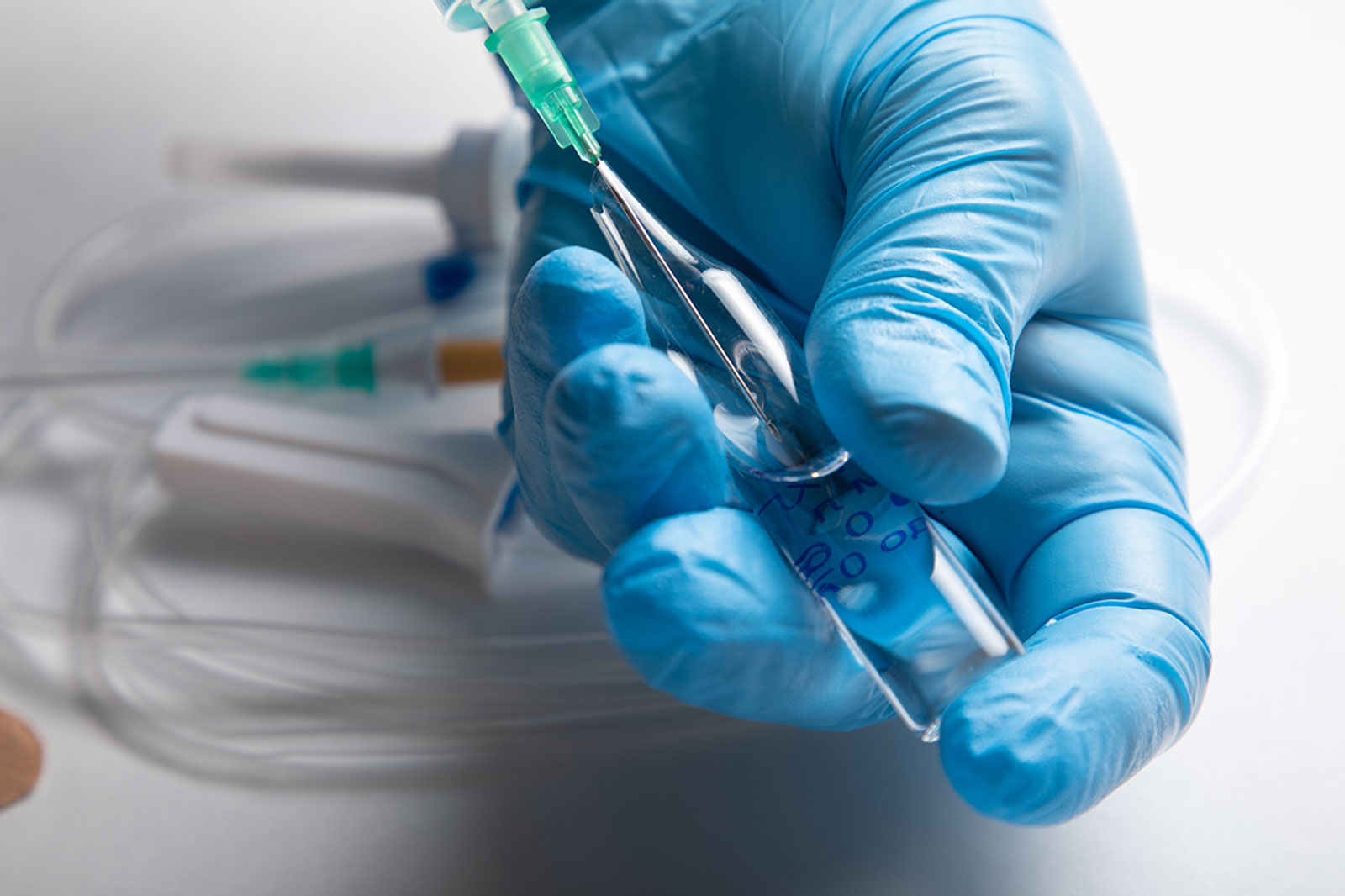
Introducing Intravenous Detox: The Next Step in Safe, Medically Supervised Recovery

When considering addiction treatment options, it's critical to look at how the treatment center approaches detoxification. Detoxing involves many risks, sometimes life-threatening when attempting cold turkey at home or without medical supervision. The safest and most effective approach is to have a medically supervised detox at a treatment facility.

Keeping Your Job While Going to Rehab: How to Balance Career With Recovery

Addiction to drugs or alcohol can have a profound, negative effect on a person’s ability to live a healthy, fulfilling life. Its consequences impact every aspect of a person’s well-being, from their physical and mental health to their safety and ability to have healthy relationships.

Why can’t I stop drinking so much or using drugs?

If there were any truth to the misconception, some people have, that all anyone must do if they genuinely want to stop drinking or using drugs is to say, “No,” “I’m done,” “That’s it. I quit,” then, there wouldn’t be nearly 35 million people in the U.S. today diagnosed with a substance use or alcohol use disorder.

Luxury Residential Rehab in Los Angeles: Dual Diagnosis Care

You don't drink to get drunk. You drink to get quiet. To slow the noise, soften the edge of a day that wouldn't let up. That's a story worth sitting with—because what it's pointing at has a name, a clinical profile, and a treatment designed specifically for it.

Key takeaways

  • Co-occurring anxiety and alcohol use disorder affect roughly 1 in 5 people seeking treatment for either condition alone (Turner et al., 2018).
  • Treating addiction without addressing underlying trauma measurably increases relapse risk—integrated treatment produces better outcomes (Mangrum et al., 2006).
  • Federal law protects your job while you're in residential treatment — most people don't know that, and it changes everything (U.S. Department of Labor, 29 CFR § 825.119).
  • What separates a real luxury addiction treatment center from an expensive backdrop is clinical depth—structure, integration, and care built around the whole person.
  •  

If any of this sounds familiar, you don't have to sort it out alone.
Talk to the
Wish Recovery team—we've heard it before, and nothing you share will shock us.

Connecticut’s Best Meth Addiction Treatment Programs for You

If you or a loved one are exploring meth addiction treatment Connecticut options, you likely recognize how challenging methamphetamine recovery can be. Methamphetamine is a potent stimulant that alters brain chemistry, fueling intense cravings and risky behaviors. As tolerance builds, you may find yourself using larger amounts more frequently to achieve the same effects. This cycle of abuse often leads to severe physical, mental, and social consequences.