





Wish Recovery’s Blog

Welcome to the Wish Recovery addiction treatment and addiction recovery blog. Browse through our growing number of resources like videos and articles to learn more about addiction and recovery. We add more content all the time.

Discover Life-Changing Residential Treatment Programs in New Hampshire

You’re not alone in seeking a residential treatment program New Hampshire residents trust to guide you from detox through lasting recovery. Whether you need medical supervision for withdrawal, structured therapy in a safe environment or specialized support for co-occurring disorders, the Granite State offers a range of accredited options. In this guide you’ll explore how residential rehab works, what to expect from detox and therapy, insurance and cost considerations, substance-specific pathways and top facilities ready to help you reclaim your life.

Effective Fentanyl Addiction Treatment Options in New York

If you’re exploring fentanyl addiction treatment New York, you’re likely aware of the urgency and complexity of this crisis. Fentanyl is a synthetic opioid up to 50 times stronger than heroin, and its unpredictable presence in the illicit drug supply has driven a dramatic rise in overdose deaths across the state. Synthetic opioids such as fentanyl accounted for 78 percent of all drug overdose deaths in New York by 2021, up from 11 percent in 2010, highlighting the potency and risk of this substance.

Easing the Power of Trauma with EMDR

The repercussions of trauma can impede recovery from substance use disorder. If you are dealing with trauma and substance use issues, it can be challenging to resolve them effectively. It's important to know that trauma and substance use can work in tandem to exacerbate the effects of both conditions. Still, overcoming them and moving on towards authentic recovery by addressing both issues simultaneously is possible.

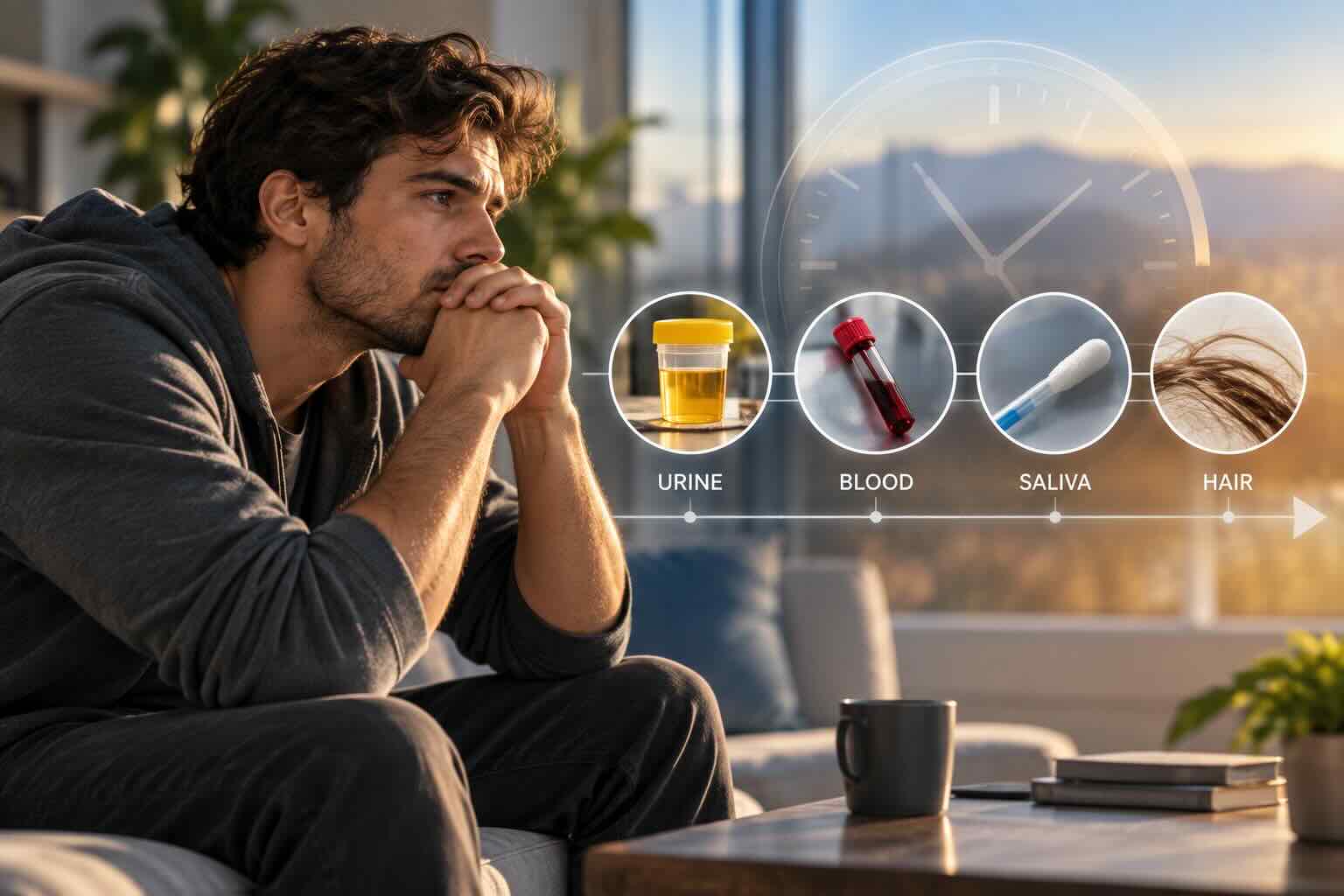
How Long Does Cocaine Stay in Your System? What Urine, Blood, Saliva, and Hair Tests Really Show

The high was gone hours ago. The worry hasn't left at all.

If you're wondering how long cocaine stays in your system, most standard urine tests look for a cocaine metabolite. A urine drug test can usually detect it for about one to four days after occasional use, and longer with heavy use. The detection time shifts with the amount of cocaine used, how often you use cocaine, and the type of test a lab runs. The number on a test and how you're actually doing are two separate questions, and this article answers both. Whether you're the one waiting on a result or the parent or partner beside them, you're welcome here.

Key takeaways

  • Most drug tests look for benzoylecgonine, a cocaine metabolite that stays in the body much longer than the high.
  • Cocaine is typically detectable in urine for one to four days after occasional use, and up to a week or more with heavy, frequent use.
  • Hair tests can show a pattern of use for about three months, but may miss a single use.
  • Mixing cocaine with alcohol creates cocaethylene, which is harder on the heart and liver.
  • Detectable and impaired are different things, and so are a clean test and feeling okay.


If you'd rather talk this through with a person, you can reach out to our team in confidence. Asking a question doesn't commit you to anything.