














Wish Recovery’s Blog

Welcome to the Wish Recovery addiction treatment and addiction recovery blog. Browse through our growing number of resources like videos and articles to learn more about addiction and recovery. We add more content all the time.

How Long Do Opioids Stay in Your System? A Guide by Drug and Test Type

The question feels urgent when you're the one asking it. You want a number, something solid to hold onto, as you try to learn how long opioids stay in your system, and the honest answer is that it depends on which opioid, which test, and which body. That uncertainty is real, and it's worth understanding. Physical withdrawal symptoms complicate things further, and if that's part of what you're dealing with right now, we've mapped out what to expect during opioid withdrawal too.

Key takeaways

  • Heroin and other short-acting opioids usually clear a urine test in one to four days. Hair holds a longer record, roughly 90 days back.
  • Fentanyl slips past a lot of standard panels. Unless the lab runs a fentanyl-specific test, it can go undetected entirely.
  • Dose, how often you use, your own body chemistry, and how well your liver and kidneys are functioning all shift the numbers.
  • A single test result rarely tells the whole story. Context from someone who understands these limits matters.


If you're trying to understand what a result means for you or someone you care about, you don't have to sort through this alone. Reach out to Wish Recovery's team for a confidential conversation with no pressure and no obligation.


Your Guide to Caring Opioid Rehab Centers in Nebraska

Opioid rehab Nebraska centers offer specialized care designed to help you overcome opioid use disorder with medical supervision, therapy and aftercare. If you’re looking for opioid rehab Nebraska programs, you need a comprehensive plan that addresses withdrawal, inpatient stabilization, ongoing support and timelines to recovery. In 2023, more than 95% of people in the U.S. who needed drug rehab, including those in Nebraska, did not receive it, highlighting a critical gap in treatment availability. This guide will help you understand your options and take confident steps toward lasting recovery.

How the Environment in Addiction Recovery Shapes the Luxury Rehab Experience

Ever wondered why some prefer luxury rehabs over local centers for addiction treatment? The answer is beyond opulence. It's about creating a place that not only treats addiction but also transforms the soul.

In addiction recovery, the setting plays a crucial role in the healing process. Luxury detox and rehab centers, often in serene landscapes, offer more than comfort. They are sanctuaries for self-discovery and sobriety.

This blog post examines how luxury rehab designs improve treatment. We explore how the surroundings and quality of care can affect recovery—from tranquil architecture to personalized treatment plans to holistic amenities.

Why Should I Choose Luxury Drug Treatment Vs. a Rehab Near Me?

Choosing the right addiction recovery program is crucial to healing, particularly when considering luxury drug treatment programs. Whether you choose a local or nationwide facility, aligning your needs with the most suitable approach is essential. If you're looking for a life-changing experience that can revolutionize your journey toward recovery, a luxury drug treatment center across the nation might be the best option for you. By selecting a nationwide luxury drug treatment center, you can reap several benefits that can significantly impact your recovery journey. There are pros and cons to traditional and upscale centers. So, take the time to assess your options carefully and make the proper selection for your future.

Luxury Rehab in Los Angeles

You’ve been here before—Tuesday after midnight, clicking through options for drug rehab centers. Luxury rehabs in Los Angeles all seem to promise “personalized care” and “evidence-based treatment.” The photos are beautiful, the testimonials moving, and you still can’t answer the question keeping you awake: What am I actually paying for, and will it work?

Here’s the truth most brochures won’t tell you: not all rehab programs are created equal when it comes to addressing alcohol addiction. And luxury became marketing before it became a clinical distinction in the context of drug rehab programs. But that doesn’t mean it’s meaningless.

Best Substance Abuse Treatment Covered by Insurance

Substance abuse affects around 20 million Americans and access to quality treatment is often a major barrier. The cost of treatment is a significant factor, making insurance coverage crucial for those seeking help. In this article, we will explore the relationship between substance abuse and insurance coverage, focusing on policies issued by employers and luxury treatment centers. Understanding the complexities of insurance coverage for substance abuse treatment is important for individuals and their families to make informed decisions and access the help they need. Nowadays, many employer-issued insurance policies include coverage for substance abuse treatment, making it accessible to a larger population.

Knowing the best treatment options covered by insurance helps individuals make informed decisions about the most suitable and effective care.

Everything You Need to Know About the Holistic Approach to Addiction & Dual Diagnosis Treatment: The Definitive Guide

The issue of substance abuse affects people from all walks of life. However, a new approach to treatment has emerged that recognizes the various factors that contribute to addiction. This holistic approach understands that drug addiction is not simply a biological problem but a complex issue involving social, cultural, spiritual, and developmental aspects. It acknowledges that a one-size-fits-all solution may not be effective for everyone and instead focuses on integrating the mind, body, and spirit connections to promote healing. Successful treatment programs pave the way for a brighter future by addressing the individual’s needs comprehensively and holistically. Recovery is about overcoming addiction and rediscovering a sense of wholeness.

Your Path to Recovery: 30 Day Rehab Programs in Wisconsin

If you’re exploring a 30 day rehab program Wisconsin, you’re looking for a structured, time-limited approach to addiction recovery that balances intensity with affordability. A 30-day inpatient setting offers a contained environment where you can focus on withdrawal management, evidence-based therapy, and peer support without external distractions.

The Truth About Detox and Rehab Programs in North Carolina

Detox and rehab programs address withdrawal management, stabilization and ongoing therapy for substance use disorders. Detoxification focuses on safely clearing substances from your body under medical supervision. Rehab builds on that foundation with counseling, group support and skill building to maintain long-term recovery.

Opioid Withdrawal Symptoms & Timeline: What to Expect When You Stop Using

Your body isn't betraying you. It's adjusting to something it adapted to over time, and that adjustment has a name, a timeline, and a path through it. Opioid withdrawal symptoms are real, measurable, and for most people, time-limited.

Knowing what's coming—and when—changes how you move through it. This article walks you through what to expect. You'll learn when symptoms start, how long they last, why starting medication can sometimes feel worse before it gets better, and what actually makes the process safer.


Key takeaways

  • Opioid withdrawal symptoms can begin within 4–6 hours of the last dose for short-acting opioids, or 24–36 hours for long-acting opioids like methadone.
  • The acute phase of withdrawal typically resolves within about a week for most people.
  • Sleep trouble, low mood, and cravings can linger for several weeks after the acute phase ends—this is normal and has a name.
  • Clinicians use a validated 11-item tool called the COWS (Clinical Opiate Withdrawal Scale) to measure how severe withdrawal is in real time.


If you're not sure where to start, Wish Recovery's team is available to answer your questions without pressure. Reach out any time—one conversation doesn't commit you to anything.

The Ultimate Toolkit for Overcoming Substance and Behavioral Addictions

Struggling with addiction isn’t a personal failing—it’s your brain’s attempt to solve deeper issues. In “The Ultimate Toolkit for Overcoming Substance and Behavioral Addictions,” we reveal the science behind addiction and present eight powerful, evidence-based tools designed to leverage your brain’s neuroplasticity and facilitate lasting recovery.

How to Be the Best Version of Oneself with 7 Tenets of Transformation in Recovery

Recovery from addiction is an ongoing process that requires personal development and self-improvement. It involves recognizing one’s weaknesses, intentionally altering damaging behaviors, and releasing negative thoughts and limiting beliefs. A mindset focused on growth is essential for a satisfying life in recovery. Creating a purposeful life after recovery entails more than just avoiding addictive substances and behaviors. Below are seven “tenets of transformation” that provide practical methods for cultivating personal growth and attaining a healthier, happier existence. These principles, when embraced, empower individuals to reinvent themselves and become the best version of themselves, leading to a more fulfilling life in recovery.

How Marijuana Addiction Treatment in Connecticut Can Help You

Connecticut offers a range of services for marijuana addiction treatment Connecticut residents can trust, from medically supervised detox to long-term residential programs. Whether you’re ready to start a structured inpatient stay or you need flexible outpatient care, understanding your options will help you make an informed decision. This guide walks you through detox procedures, therapy models, program timelines and funding resources so you can begin your recovery journey with confidence.

How Luxury Rehabs Prepare You for Long-Term Success After Rehab

Ever wonder why some people flourish after rehab while others struggle? The secret lies not just in getting sober but in building a foundation that supports lasting recovery. The journey doesn't end when treatment does—it's just beginning.

The transition from luxury rehab to everyday life can feel overwhelming. You've done the hard work of detox and therapy, but now face the challenge of applying these tools in the real world. This critical period determines whether your recovery journey leads to sustainable success or difficult setbacks.

Empathy vs. Tough Love: The DO and DON'T of Helping Your Loved One in Recovery

Are you struggling to support someone you love through addiction? In this eye-opening video, we explore why empathy is more effective than "tough love" when helping someone in recovery.

Why You Can't Feel Joy in Recovery: Anhedonia After Addiction

Struggling to feel joy in recovery? You're not alone. Anhedonia - the inability to feel pleasure - affects countless people in early sobriety, but understanding why it happens is the first step toward healing. Contact Wish Recovery today for personalized support that addresses every aspect of your recovery journey.

Discover Powerful Marijuana Treatment Programs in New Jersey

You need a focused, evidence-based marijuana treatment program new jersey residents trust to guide you from detox through long-term recovery. Whether you’re just beginning to recognize cannabis dependence or you’ve tried quitting on your own, New Jersey offers structured inpatient care, proven therapy methods, and co-occurring disorder support tailored to your needs.

Understanding the Stages of Recovery and How a Luxury Rehab Helps You Take the First Step

Have you ever wondered what it truly takes to move from the chaos of addiction to a life of clarity and hope? The recovery journey can be overwhelming. It raises many questions. But you don't have to face it alone. Like many at a crossroads, you may be searching for answers. Is authentic transformation possible? SAMHSA reminds us that "recovery is a process, not an event, often involving multiple stages and setbacks."

Recovery is not a moment or a decision. It’s a journey. It unfolds across distinct stages, each with its own challenges and growth opportunities. There's no decisive set amount of time. The 5 stages of addiction recovery are practical steps. They guide you from the courage it takes to ask for help to the hard work of rebuilding a fulfilling life. They complement the recovery phases (like contemplation and action). Those phases focus on your mental and emotional readiness for change. They create a roadmap for healing. It addresses both your mentality and the steps needed for lasting sobriety.

Use Judgment Diffusion in Recovery to Let Go

We all play the role of a judge at some point. Opinions are another word for judgments, which may be excellent or negative. "That was the worst pizza I've ever eaten." "That cake seems to be laden with calories." Today has been a wonderful day to be outside.


Judgments about your self-destructive conduct are common among those with drug misuse or addiction issues. Addictions and substance abuse can hurt people's daily lives and interactions with others, so it's normal and natural that people be concerned. You'll simply make yourself feel worse if you judge yourself for being unable to quit or continue using despite the repercussions and the opinions of others.

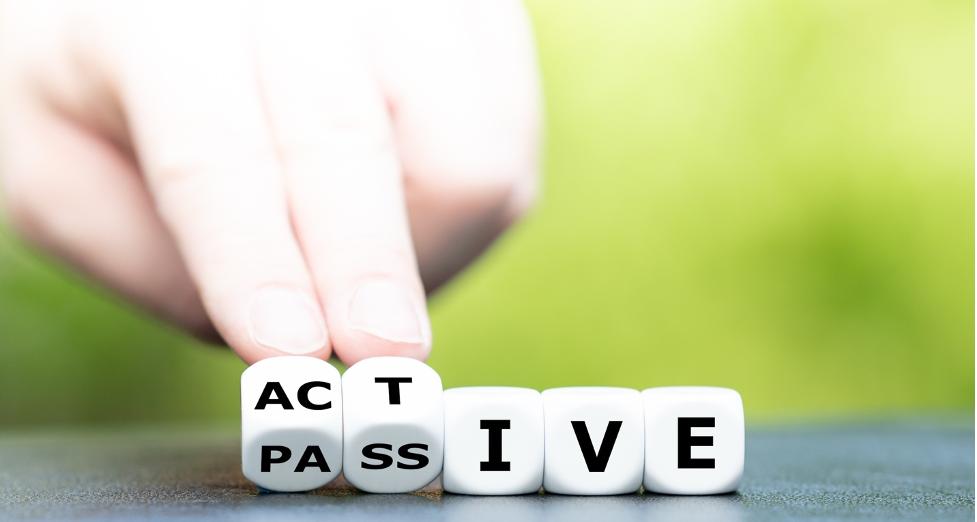
Recovery Types: The Differences Between Passive and Active Recovery

An essential thing to remember about recovery is that it is a process. There are two ways to recover from alcohol use and substance use disorders: passively and actively. Passive recovery involves abstinence from drugs or alcohol without treatment. In contrast, active recovery requires both abstinence and professional care. Between the passive and active ends of the recovery spectrum, exists variations in degree and many combinations of both extremes—depending on the individual in recovery. The choice between these two methods usually depends on the severity of the condition and the support system in place.