















Wish Recovery’s Blog

Welcome to the Wish Recovery addiction treatment and addiction recovery blog. Browse through our growing number of resources like videos and articles to learn more about addiction and recovery. We add more content all the time.

How Prescription Drug Detox Connecticut Can Help You Heal

You may be considering prescription drug detox in Connecticut because you want a safe, structured path to stop relying on medications that have taken over your life. Detoxification is the crucial first step in your recovery journey, helping you manage withdrawal safely under medical supervision. In Connecticut you have access to licensed centers, evidence-based therapies, and tailored programs that address the full spectrum of prescription drug dependence—from opioids and benzodiazepines to stimulants and beyond. Whether you need inpatient care, dual diagnosis treatment, or outpatient support, understanding how detox works here will empower you to choose the right option for your needs.

ADHD and Substance Use Disorder: The Connection, The Challenges and the Solutions

Adult attention-deficit hyperactivity disorder (ADHD) has a 3-4% prevalence in the general population. The condition often coexists with other clinical disorders. These other disturbances could include issues with anxiety, sleep, moods, personality, drugs or alcohol. Within the last decade, many researchers have examined the co-occurrence of ADHD and substance use problems. As with ADHD, substance use disorders (SUDs) have significant social, psychological and economic implications, making their proper treatment critical to a person’s ability to live a sustainable life. Adults with ADHD often have substance use disorders that involve nicotine, alcohol, cannabis and cocaine, to name a few.

Exploring Alternative Treatment Beyond 12-Step Programs for Addiction

Why do relapse rates for addiction treatment reach 40-60% within just six months? The answer might surprise you—and change everything about how you view recovery.


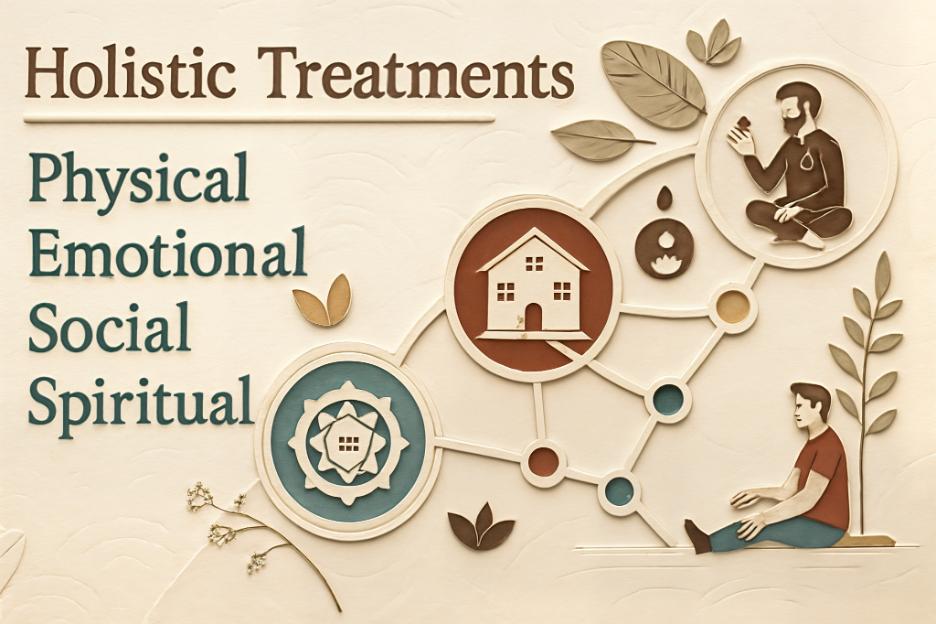
If you've tried traditional addiction treatment without lasting success, you're not alone. Millions of people are discovering that recovery isn't one-size-fits-all—it's deeply personal. Alternative addiction treatment models are revolutionizing how we approach healing by addressing your whole self: mind, body, and spirit. From holistic therapies and mindfulness practices to personalized family support, these innovative approaches offer hope where conventional methods may have fallen short. Your unique journey deserves a unique path to recovery.

Your Guide to Safe Heroin Detox in Virginia

When you’re searching for heroin detox Virginia, you need safe, medically supervised care that addresses both physical withdrawal and emotional support. Navigating the options can feel overwhelming, yet finding the right program is critical for a successful start to your recovery journey. In this guide you’ll learn how detox works, explore accredited Virginia facilities, compare program costs, access payment assistance, understand detox timelines, receive medical supervision, plan ongoing support, choose dual diagnosis treatment, and take the next steps to start your assessment.

How to Be the Best Version of Oneself with 7 Tenets of Transformation in Recovery

Recovery from addiction is an ongoing process that requires personal development and self-improvement. It involves recognizing one’s weaknesses, intentionally altering damaging behaviors, and releasing negative thoughts and limiting beliefs. A mindset focused on growth is essential for a satisfying life in recovery. Creating a purposeful life after recovery entails more than just avoiding addictive substances and behaviors. Below are seven “tenets of transformation” that provide practical methods for cultivating personal growth and attaining a healthier, happier existence. These principles, when embraced, empower individuals to reinvent themselves and become the best version of themselves, leading to a more fulfilling life in recovery.

Untangling the Threads: A Deep Dive into the Complex Intersection of Substance Use and Eating Disorders

The intricate web of the co-occurrence of eating disorders and substance misuse is a complicated dance of conditions that often pair together—creating unique challenges for individuals and health professionals alike. This tandem of troubles, known in the medical world as “comorbidity,” is a subject that is often shrouded in mystery and misconceptions. In this article, we aim to shed light on this complex connection, offering insights into how these disorders interrelate and their impact on the individuals caught in their grip.

Why are Bipolar Disorder and Substance Use often Mentioned Together?

According to the National Institute on Drug Abuse, people who have bipolar disorder are twice as likely to struggle with substance use disorder (SUD). Bipolar disorder and substance use disorder intersect at many levels for various people. Since having bipolar can lead to or worsen SUD symptoms, many people view the two as related.

When a person has a diagnosis of substance use disorder with bipolar, they have co-occurring disorders or dual diagnosis. Even though the term "dual diagnosis" is singular, people with co-occurring conditions must get integrated treatment for each illness for improved life quality.

Long-Term Residential Rehab in New York: Key Facts You Need

Long term residential rehab new york programs provide structured, round-the-clock support in a communal setting, helping you focus fully on recovery. In 2023, more than 95% of people in the United States who needed drug rehab did not receive it. That treatment gap underscores how critical it is to understand what long term residential care offers and how it can set you up for sustained sobriety.

Wish Recovery’s First Responders Program: Helping Our Heroes Heal

If you're among the brave souls who take on the daily challenges of being a first responder, you understand that your profession can wear on your mental and physical well-being. You bear witness to some of the most heartbreaking aspects of humanity, and you often put your safety at risk to help others. It's no wonder first responders have some of the highest rates of PTSD, alcohol use disorder, substance misuse, and other mental health disorders.

Does PPO Insurance Cover Luxury Rehab in Los Angeles? Your California Guide

You found this page because someone you love needs help, or because you need it yourself. You're carrying the weight of that knowledge and the dread of a number you haven't seen yet. That fear is real. So is the answer you're looking for. Your PPO insurance plan likely covers medically supervised detox and drug and alcohol rehab in California, including inpatient rehab at a luxury treatment center in Los Angeles. This guide explains exactly how, what to expect, and what protections you have.

Key takeaways

  • PPO insurance covers the clinical treatment (medically supervised detox, therapy, psychiatric support), not the luxury amenities at a private rehab facility.
  • California's SB-855 (2020) requires your PPO plan to cover substance use disorder treatment at full parity with medical care.
  • A co-occurring mental health condition alongside addiction often strengthens, not weakens, your medical necessity case with insurers.
  • Insurance verification for rehab typically takes 24 to 48 hours, and a qualified admissions team should handle this for you.

You don't have to figure this out alone. Wish Recovery's admissions team is available now to answer your questions and walk you through your options—no pressure, no commitment required.

5 Unbeatable Pieces of a Relapse Prevention Plan

Learn the five critical elements of a relapse prevention plan and how to create an effective strategy for long-term recovery. Watch this video now and read the article for practical tips and insights.

Recovery from addiction requires more than just eliminating the addictive behavior or substance. A positive outlook, proactive approach, and strategic mindset are essential to navigate each day successfully.

What are the Stages of Recovery?

The Six Stages of Change - popularized by the Transtheoretical Model developed in the late 70s—has become a measuring tool in behavioral health settings. It helps people embarking on intentional change. These self-changers use the stages to navigate through the process of addiction recovery.

Prescription Drug Detox in Kentucky: What You Need to Know

You’re taking the first step toward recovery when you explore prescription drug detox Kentucky, and it’s natural to have questions about what comes next. Whether you’re dealing with opioids, benzodiazepines, stimulants or multiple substances, medically supervised detox provides the safest path off medications. In Kentucky, you’ll find options ranging from day-program outpatient detox to fully staffed residential units. In this article, you’ll learn what to expect, how much detox may cost, which providers serve your area, and how to connect with ongoing care.


Serving Up Enhanced Care with Nutrition in Substance Abuse Treatment Programs

Have you ever wondered why some treatment centers focus so heavily on gourmet meals? It's not just about comfort---your brain is literally rebuilding through what you eat. The surprising truth: proper nutrition could be the missing link in your journey that no one's talking about.

When you're rehabilitating from substance abuse, what you eat matters just as much as your therapy sessions. Good nutrition isn't just a side benefit---it's a cornerstone of successful improvement that supports your physical rehabilitation, emotional stability, and overall health.

How to Find Reliable Marijuana Addiction Treatment in Massachusetts

If you’re seeking marijuana addiction treatment Massachusetts residents have access to a variety of programs designed to meet your unique needs. Understanding the nature of marijuana use disorder, its social stigma, and its impact on daily life can help you choose the right path toward recovery. Whether you’re exploring medical detox or long-term rehab, a clear picture of addiction’s complexities sets the stage for informed decisions.

After Detox and Drug Rehab, How Do You Find Work?

You've completed your treatment at a luxury drug rehab facility, and now you're ready to look for work. Gainful employment can be a very satisfying experience. It's nice to earn a livelihood and take part in the workforce again. Here are some things to keep in mind.

Long Term Residential Rehab Connecticut: What You Should Expect

By committing to a longer continuum of care, you increase your chances of lasting sobriety and improved social functioning. Research from the National Institute on Drug Abuse shows that extended residential treatment helps decrease criminal activity and boosts occupational and psychological outcomes [1]. In Connecticut, these programs are offered by both private centers and state-funded networks, giving you choices based on budget, treatment style, and location.

Discover the Best Long Term Rehab in New Jersey for You

You’re ready to take the next step toward lasting recovery, and choosing the right long term rehab New Jersey program can make all the difference. Long term rehab offers extended care beyond the typical 28-day stay, giving you time to build coping skills, stabilize your health, and reinforce sober habits. Whether you’re facing alcohol dependence, opioid use disorder, or a co-occurring mental health condition, a tailored long-term program in New Jersey can help you address the root causes of addiction and support sustained sobriety.

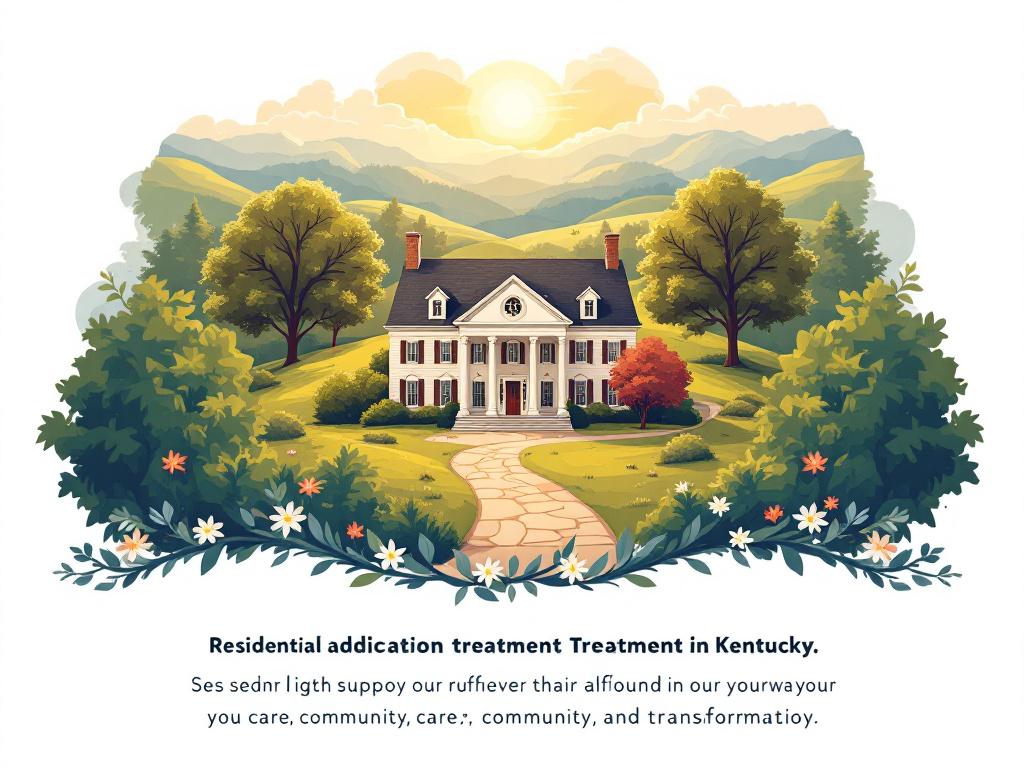
Begin Your Recovery with Residential Addiction Treatment in Kentucky

If you’re seeking residential addiction treatment in Kentucky, you’re taking a crucial step toward lasting recovery. Residential care provides 24-hour supervision, structured routines, and a safe environment where you can focus entirely on healing. In Kentucky, residential programs integrate medically supervised detox, stabilization, evidence-based therapies, and individualized care plans designed to meet your unique needs.

Finding the Best Drug Rehab in Hawaii for Your Recovery

When you’re ready to begin recovery, finding the right drug rehab in Hawaii is a crucial step. You’ll encounter a range of options—from medically supervised detox to inpatient rehab and specialized substance-use programs—and understanding each can help you make an informed choice. In this guide, you’ll learn how to evaluate detox safety, explore residential care, compare costs, and identify programs tailored to your needs.

By breaking down treatment types, dual diagnosis services, state-funded options, and top facilities, you can move forward with confidence and clarity on your path to lasting recovery