



Wish Recovery’s Blog Category

Addiction Treatment

The Differences Between Drug Addiction and Obsession

Most people think of substance use as things like alcohol and drugs when it comes to addictions. When it comes to compulsions and obsessive behaviors, the first things that come to mind are gambling, hoarding and eating disorders.

Burning Bridges and Urge Surfing in Recovery

To prevent relapse into addictive behavior, "burning bridges" is a skill that involves radical acceptance, determination, and action. To "burn one's bridges" is to cut off all links with anybody or anything that might trigger a relapse to the addicted drug or behavior. You effectively block that route out of your life by severing the tie that binds you to addictive behavior.

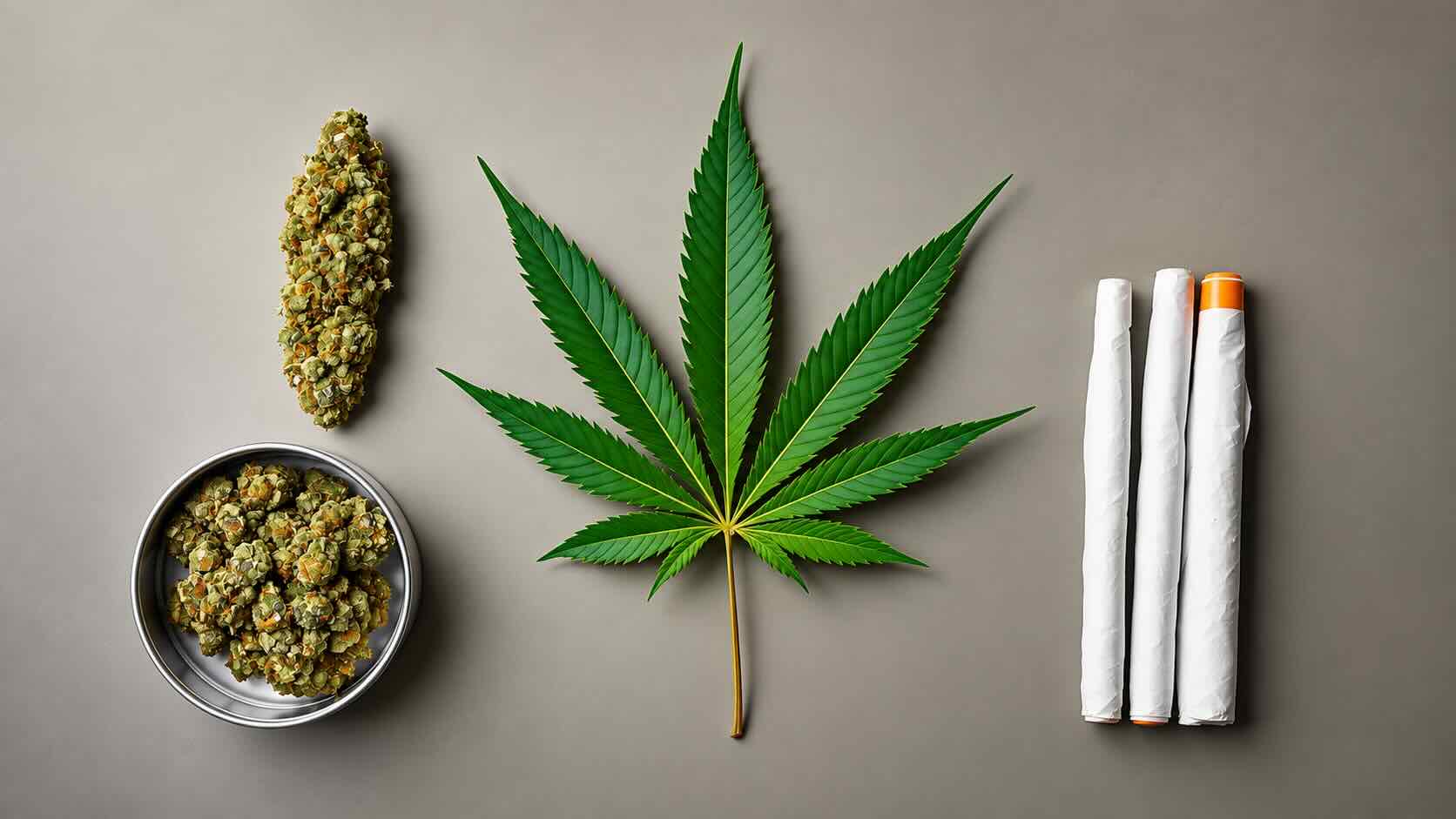
How Long Does Weed Stay in Your System? Detection Explained

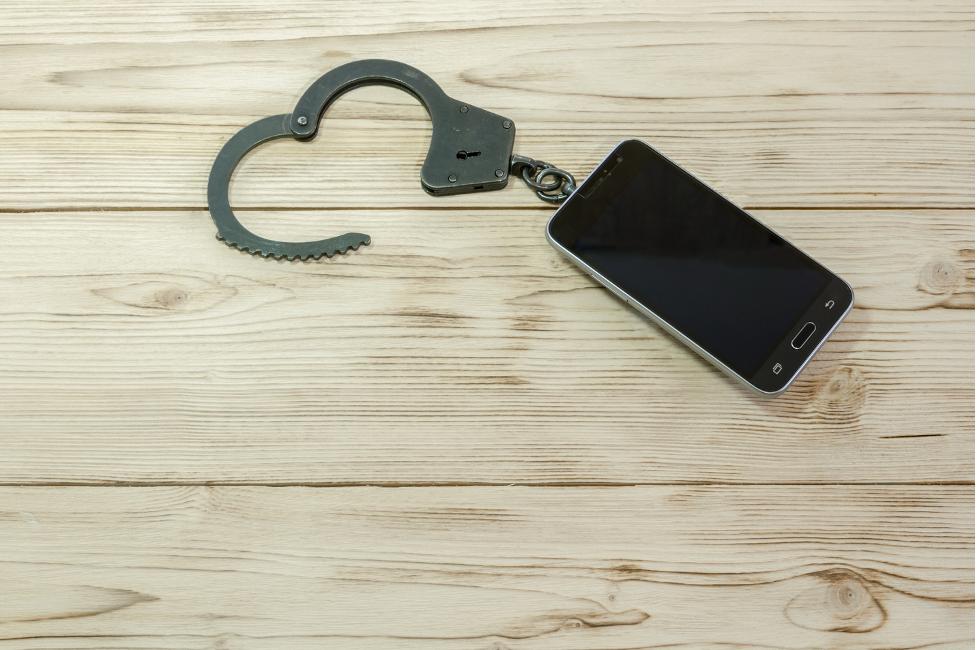
You've got a drug test tomorrow—maybe for a job you need, maybe because your probation officer requires it, maybe because your custody agreement says so—and you're Googling at 11 PM wondering how long does weed stay in your system. The internet's full of conflicting timelines about how long marijuana stays in your system, detox teas promising miracles, and panic. Here's what determines how long marijuana stays in your system, what different drug tests measure, and when the math works in your favor—or doesn't.

Clinical Review


The article emphasizes that while understanding how long THC stays in your system is important for drug testing, the more significant issue is your overall relationship with cannabis. Passing a drug test may address an immediate concern, but if quitting feels difficult or marijuana use is negatively affecting your health, relationships, work, or responsibilities, it's important to address the underlying pattern of use rather than focusing solely on the test.

Understanding the potential impacts of cannabis use—including its effects on your physical and mental health, daily functioning, and personal or professional life—can help you make informed decisions. Recognizing these risks and seeking support when cannabis use becomes difficult to control can lead to healthier, more sustainable outcomes than relying on short-term solutions.

ROZ RAZZAGHMANESH
Clinical Director, LMFT 102602
WISH RECOVERY

Overcoming Shame and Guilt in Recovery and Strategies for Self-Forgiveness and Healing

Millions of people worldwide are affected by addiction, a severe and complex disorder that can cause significant physical, emotional, and social problems. It's a challenging and daunting experience for individuals who face addiction, often struggling with shame and guilt. Addressing these emotions is crucial for successful recovery. Addiction is not a moral failure but a medical condition that requires compassionate and comprehensive care. Seeking help should never make individuals feel guilty or ashamed. In this blog post, we'll explore the impact of shame and guilt on addiction recovery and provide strategies for overcoming these emotions.

Better Chances of No More AUD Symptoms After Treatment in Alcohol Rehab

It may be challenging to identify when drinking has gotten out of control, despite how obvious it is when it affects the most important aspects of life—relationships, money, mental stability, health and happiness. When is it appropriate to look for help? For rehabilitation that's even imaginable, you must first identify your problem. Friends, coworkers, or family members may bring up your issues, but only you can assess yourself.

Am I an Alcoholic If I Binge Drink?

Drinking alcohol is popular among many people. From daily use to only special occasions, from social to binging, they differ from moderate to unhealthy use. Binge drinking and drinking too much alcohol can raise the risks of developing alcohol use disorder (AUD). Conditions encompassed within an AUD diagnosis include those associated with alcohol addiction, alcohol abuse, and alcohol dependence.

When a Drink is More Than Just a Drink: Understanding Cultural Alcoholism and Social Drinking

Alcohol is a ubiquitous part of many cultures around the world. From champagne toasts at weddings to after-work happy hours, drinking is often seen as a social activity that brings people together. However, for some individuals, a drink is more than just a drink; it is a part of their cultural identity and can lead to alcoholism (severe alcohol use disorder).


According to the CDC, if you exclude traffic-related and intentional alcohol-related deaths, the total number of alcohol-related fatalities in the US in 2021 was more than 54,000. That's a staggering number, highlighting many people’s complicated relationship with alcohol. Cultural alcoholism and social drinking are two sides of the same coin. On the one hand, it can be a fun way to bond with friends and celebrate special occasions. On the other hand, it can quickly spiral into a dangerous addiction that wreaks havoc on both physical and mental health.