













Wish Recovery’s Blog Category

Addiction Treatment

Top Trusted Benzo Detox Centers in Kentucky for Your Healing

If you’re exploring benzo detox Kentucky options, you’re not alone. Benzodiazepine addiction affects many Kentuckians, and finding a safe, medically supervised detox program is essential to managing withdrawal risks and laying the groundwork for lasting recovery. In this guide, you’ll learn about how benzodiazepines create dependency, compare leading Kentucky centers that specialize in benzo detox, and explore evidence-based therapies—from inpatient stabilization to dual diagnosis treatment Kentucky programs—that will support your healing journey.


Understanding Xylazine: Navigating Wounds, Withdrawal, and Its Complicated Relationship with Fentanyl

Your loved one survived the overdose. But the wounds won't heal—and naloxone didn't work. Here's what xylazine does that fentanyl alone never could.

Xylazine wasn't supposed to be in human bodies. It's a veterinary sedative designed for horses and cattle, yet it's increasingly showing up in street drugs—mixed with fentanyl, creating overdoses that don't respond to standard treatment. If you're reading this in the midnight hours, trying to understand what happened to someone you love, or if you've heard the words "xylazine"  or “tranq” and felt your stomach drop, this guide explains what you're facing and what actually helps.

What You Need to Know About Inpatient Rehab in New Jersey

If you’re considering inpatient rehab in New Jersey, you’re looking at a structured residential treatment environment designed to help you overcome substance use disorders safely and effectively. Inpatient rehab provides 24/7 clinical supervision, medically supervised detox, evidence-based therapies, and peer support. You’ll live on-site for the duration of your program, focusing entirely on recovery without outside distractions.

How Does Self-Acceptance Relate to Addiction Recovery?

Many people will tell you that recovery from drugs and alcohol begins with recognizing and accepting that your drinking or substance abuse is a problem. While it is an essential first step, authentic healing begins more profoundly with self-acceptance.

To accept oneself—flaws and all is what it means to be truly human. Many people who begin using drugs or develop problematic drinking behaviors do so from silent psychological prompts of low self-esteem and self-worth, which are directly linked to a lack of self-acceptance and self-love.

Controlling Emotionally Driven Behavior through Opposite Action

This session will discuss "Opposite Action," a dialectical behavior therapy technique. When feelings become too intense or harmful or when they cause dysfunctional emotion-driven behavior, DBT encourages the use of this technique. The point is not to deny the validity of your feelings but to reframe them in a way that will help you reach a more positive outcome.

Discover Life-Changing Inpatient Rehab in Kentucky Today

If you’re seeking inpatient rehab in Kentucky, you’re taking a crucial step toward lasting recovery. Inpatient rehab provides a structured, residential environment where you live on-site while receiving around-the-clock care. This level of support is ideal if you need medically supervised detoxification, stabilization of co-occurring disorders, or an intensive treatment schedule that outpatient programs cannot match. Residential programs range from 28 to 90 days, allowing you to focus entirely on your recovery journey without outside distractions. With tailored treatment plans, you’ll address the root causes of substance use while building healthy coping skills.

The Role of Acupuncture in Substance Use Disorder Treatment

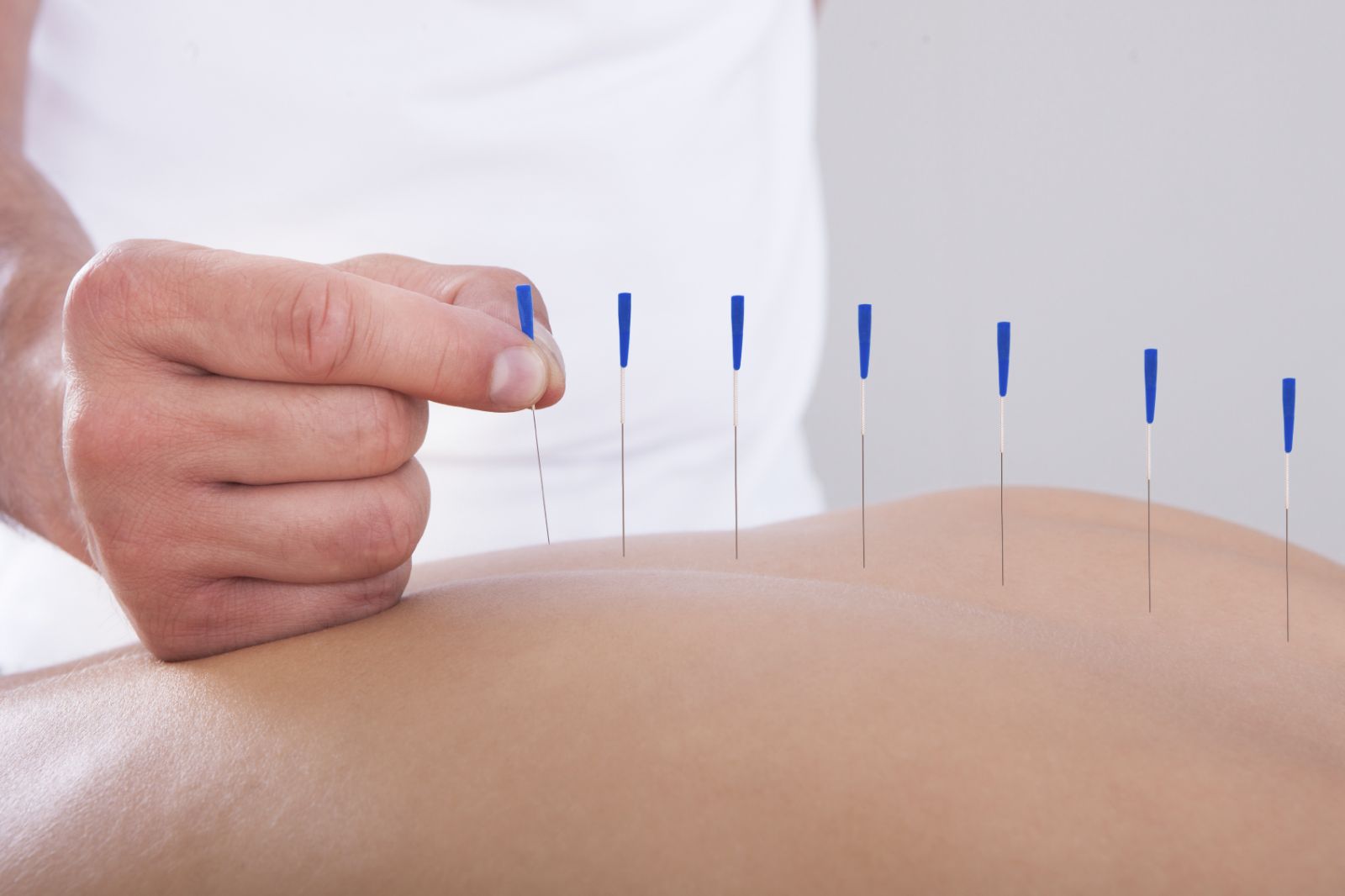
Acupuncture is one of the most popular alternative therapies for treating substance and alcohol use disorders. This ancient practice has been gaining popularity in the West in recent years. Acupuncture has many benefits, including reducing pain, improving sleep, boosting the immune system, and calming anxiety. 

Luxury rehab centers often use this therapy to help patients with withdrawal symptoms and cravings during detox and relaxation during rehabilitation. Despite its reputation as physical treatment, acupuncture can help heal on spiritual, psychological, and emotional levels.

What is Wet Brain? The Risky Truth Every Drinker Needs to Hear Now

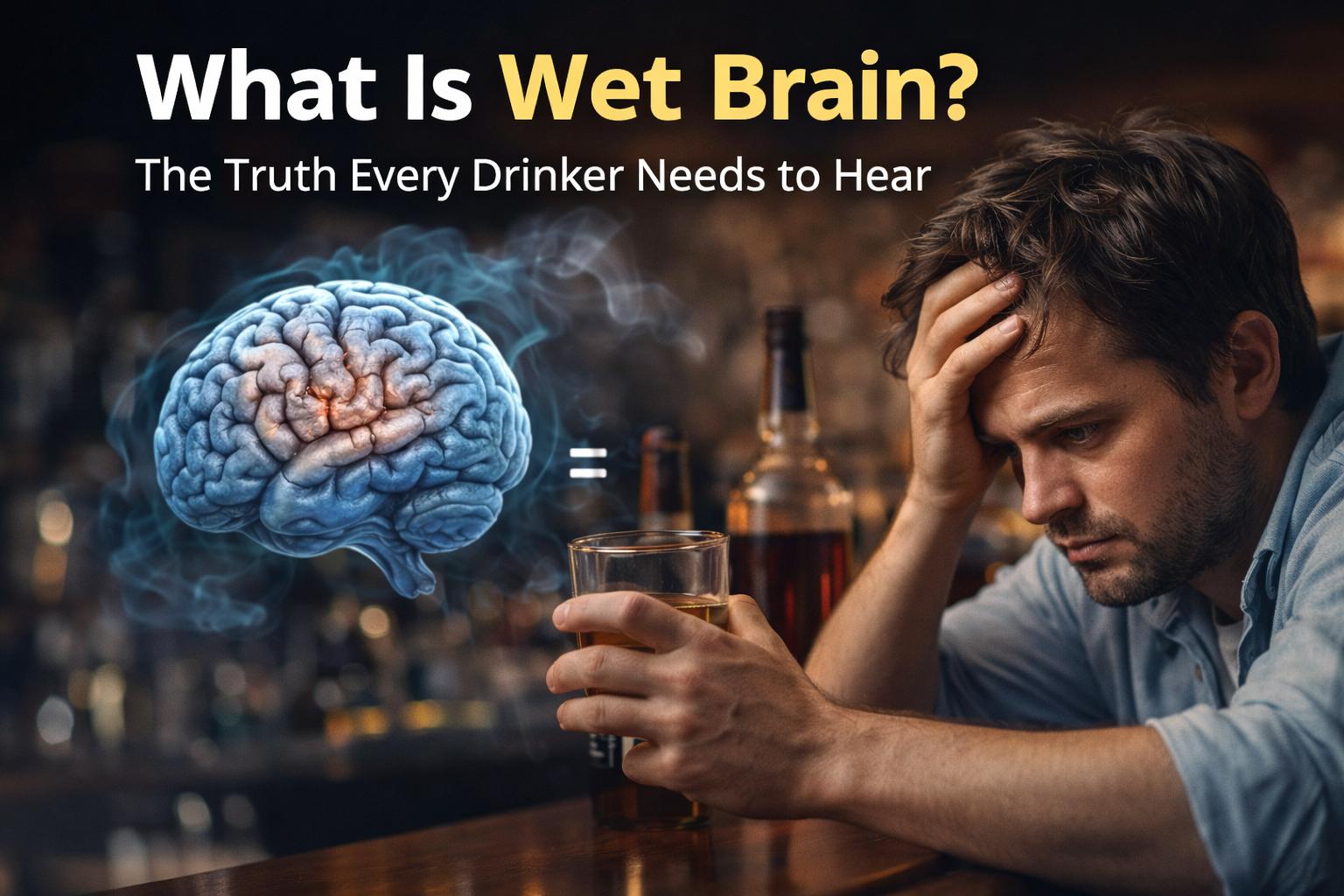
Here's something they don't mention during happy hour: hours—not months—separate reversible brain damage from a permanent condition that steals your ability to form new memories. It's called wet brain, and it happens to people who never thought they were "that kind of drinker."

You might have heard it mentioned in passing. Maybe you laughed it off as something that only happens to people on the street. But Wernicke-Korsakoff syndrome isn't picky about zip codes or tax brackets. It shows up in boardrooms and studio apartments alike, and it doesn't wait until you "hit rock bottom" to begin its work.

What Makes Inpatient Rehab in Nebraska a Powerful Choice

If you’re exploring substance use recovery options, inpatient rehab in Nebraska offers a structured, supportive environment for safe withdrawal, intensive therapy, and long-term healing. With a network of accredited facilities across the state, you can access personalized detox plans, evidence-based therapies, and residential programs tailored to your needs. Whether you require medical detox in Nebraska or specialized care for co-occurring disorders, these centers prioritize your safety and comfort from admission through aftercare. In this article, you’ll learn what makes inpatient rehab in Nebraska a powerful choice for residents seeking immediate access to detox and residential addiction treatment. We’ll break down facility options, core services, substance-targeted programs, program durations, cost considerations, and state resources to help you plan the best path to lasting recovery.

What You Should Expect During Heroin Detox in New York

When you begin heroin detox in New York, you enter a medically supervised journey aimed at clearing opioids from your body and managing withdrawal safely. Heroin detoxification is the first essential step toward long-term recovery from opioid dependence. With professional medical oversight, you receive 24/7 monitoring, vital signs tracking, and medication support to ease your symptoms.

What are the Stages of Recovery?

The Six Stages of Change - popularized by the Transtheoretical Model developed in the late 70s—has become a measuring tool in behavioral health settings. It helps people embarking on intentional change. These self-changers use the stages to navigate through the process of addiction recovery.

Find the Best Inpatient Rehab in New York for Your Recovery

Finding the right inpatient rehab in New York can feel overwhelming, but understanding your options is the first step toward lasting recovery. Inpatient rehab in New York offers round-the-clock medical supervision, evidence-based therapies, and a structured residential environment designed to help you detox safely, address underlying issues, and build a strong foundation for sobriety. Despite over 95% of Americans needing drug or alcohol rehab not receiving treatment in 2023, completing an inpatient program and following through with aftercare greatly improves your chances of long-term success (American Addiction Centers).

When Prescription Drug Use Becomes Abuse: How to Spot the Signs

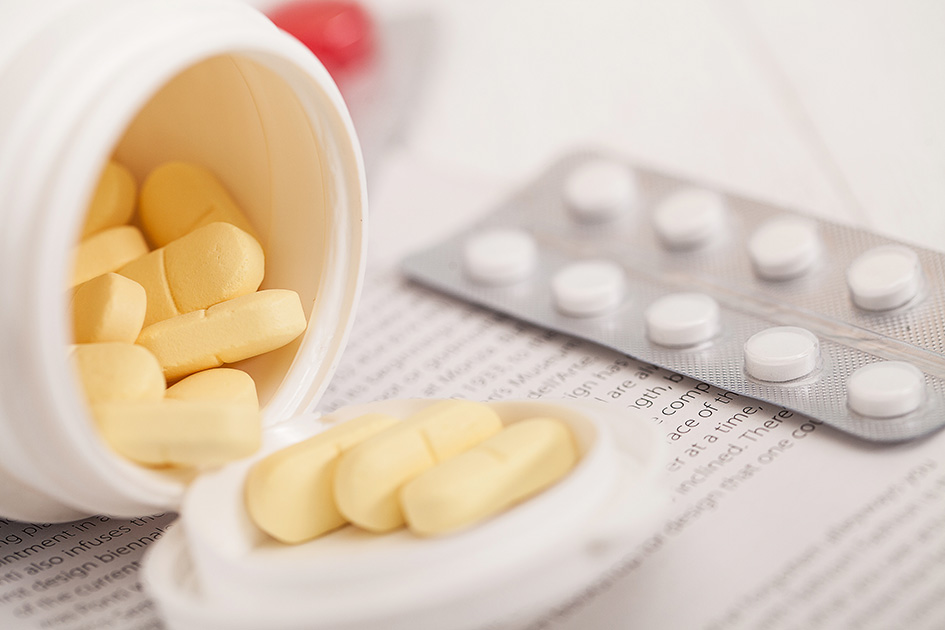
Pain is difficult to handle because it is both something we want to avoid and something that can be useful. The experience of pain lets us know that we are injured or sick, which is valuable. However, even the mildest pain forms are unpleasant, so people often buy over-the-counter pain medications. These can help with everyday or occasional pain, but there are times when they are not enough. For example, store-bought medications might not effectively handle the pain after surgery or when dealing with cancer.

Boundaries & Toxic Relationships: Mental Wellness in Recovery.

Good mental wellness is essential for a successful recovery from addiction; an important part is setting boundaries and avoiding toxic relationships. It is impossible to ignore our relationships’ effect on our mental health and well-being. People have different needs and ideas of what is acceptable in relationships, and it is essential only to be healthy and positive. This is especially important in addiction recovery, as it is necessary to protect yourself from the potential of relapse. Additionally, certain people, often members of our own family and social circle, can be toxic influences and actively impede our recovery process. Therefore, understanding how to set boundaries and protect yourself from unhealthy relationships is essential for maintaining mental wellness and sustaining a successful recovery. This blog will discuss why setting boundaries and avoiding toxic relationships is necessary for good mental health and addiction recovery.

Recovery Capital: Knowing the Value of Your Healing

Overcoming substance use disorder is a complex process requiring a comprehensive approach beyond avoiding drugs or alcohol. This is where the idea of recovery capital comes into play. Recovery capital involves utilizing the resources and assets available to aid in your journey toward wellness. Recovery capital includes tangible and intangible resources, such as social support networks, employment opportunities, housing, education, and psychological well-being. Accessing and utilizing these resources can unlock your potential for long-term recovery and overall wellness. Recovery capital is like a beautiful tapestry that you can weave with determination and perseverance, offering hope and healing.

Empathy vs. Tough Love: The DO and DON'T of Helping Your Loved One in Recovery

Are you struggling to support someone you love through addiction? In this eye-opening video, we explore why empathy is more effective than "tough love" when helping someone in recovery.

Embrace a Growth Mindset for Transformative Recovery Experiences

What if the voice telling you “you'll never change” isn't actually yours—and you can finally turn the volume down?


That internal critic has been running the show for too long. It whispers that you're broken, that recovery is temporary, that real transformation happens to other people—not you. But here's what that voice doesn't want you to know: your brain is literally designed to rewire itself. The same neuroplasticity that created destructive patterns can create healing ones. You're not stuck with the mindset that got you here.

What You Need to Know About Detox and Rehab Programs in New Jersey

You’re looking for a detox and rehab program New Jersey residents trust, and you have plenty of options. Whether you need medically supervised withdrawal, structured inpatient care, or therapies tailored to co-occurring conditions, the Garden State offers a full continuum of addiction treatment services. In this guide you’ll learn how detox management works, what to expect in an inpatient setting, how program timelines vary, which therapy methods are common, how dual diagnosis support is integrated, and what you need to know about insurance and costs. By the end you’ll be ready to select a rehab center that fits your needs and goals.

Gaming as an Addiction and Its Effect on Mental Health

Ever watched someone you love disappear behind a screen for 14 hours straight, emerging only when their body demands food or sleep? You're not imagining it—and you're not alone.

Once harmless fun, it now steals sleep, relationships, and peace of mind. Sunlight is less appealing than screen glow. Game sessions last hours or weekends. Responsibilities and virtual achievements mount.

This goes beyond "too much screen time." The WHO recognizes gaming disorder as a behavioral condition, confirming what millions of families already knew: gaming hijacks the brain's reward system like any other addiction. Compulsive behavior has flourished in digital or video gaming due to its endless progression systems and social connections.

Behind the controller is a complex mental health network. Gaming addiction is linked to anxiety, low self-esteem, and a cycle of using virtual worlds to escape emotional pain. Games meant to provide temporary escape can become digital prisons that harm mental health.

If this feels painfully familiar, it's real, treatable, and doesn't have to define the story.

Your New Life Begins Again Today

The abuse of drugs and alcohol can cause some very dramatic changes to brain chemistry, affecting how emotions and feelings are processed.