Wish Recovery’s Blog Category

Luxury Rehab

What You Need to Know About Inpatient Rehab in New Jersey

If you’re considering inpatient rehab in New Jersey, you’re looking at a structured residential treatment environment designed to help you overcome substance use disorders safely and effectively. Inpatient rehab provides 24/7 clinical supervision, medically supervised detox, evidence-based therapies, and peer support. You’ll live on-site for the duration of your program, focusing entirely on recovery without outside distractions.

Discover Life-Changing Inpatient Rehab in Kentucky Today

If you’re seeking inpatient rehab in Kentucky, you’re taking a crucial step toward lasting recovery. Inpatient rehab provides a structured, residential environment where you live on-site while receiving around-the-clock care. This level of support is ideal if you need medically supervised detoxification, stabilization of co-occurring disorders, or an intensive treatment schedule that outpatient programs cannot match. Residential programs range from 28 to 90 days, allowing you to focus entirely on your recovery journey without outside distractions. With tailored treatment plans, you’ll address the root causes of substance use while building healthy coping skills.

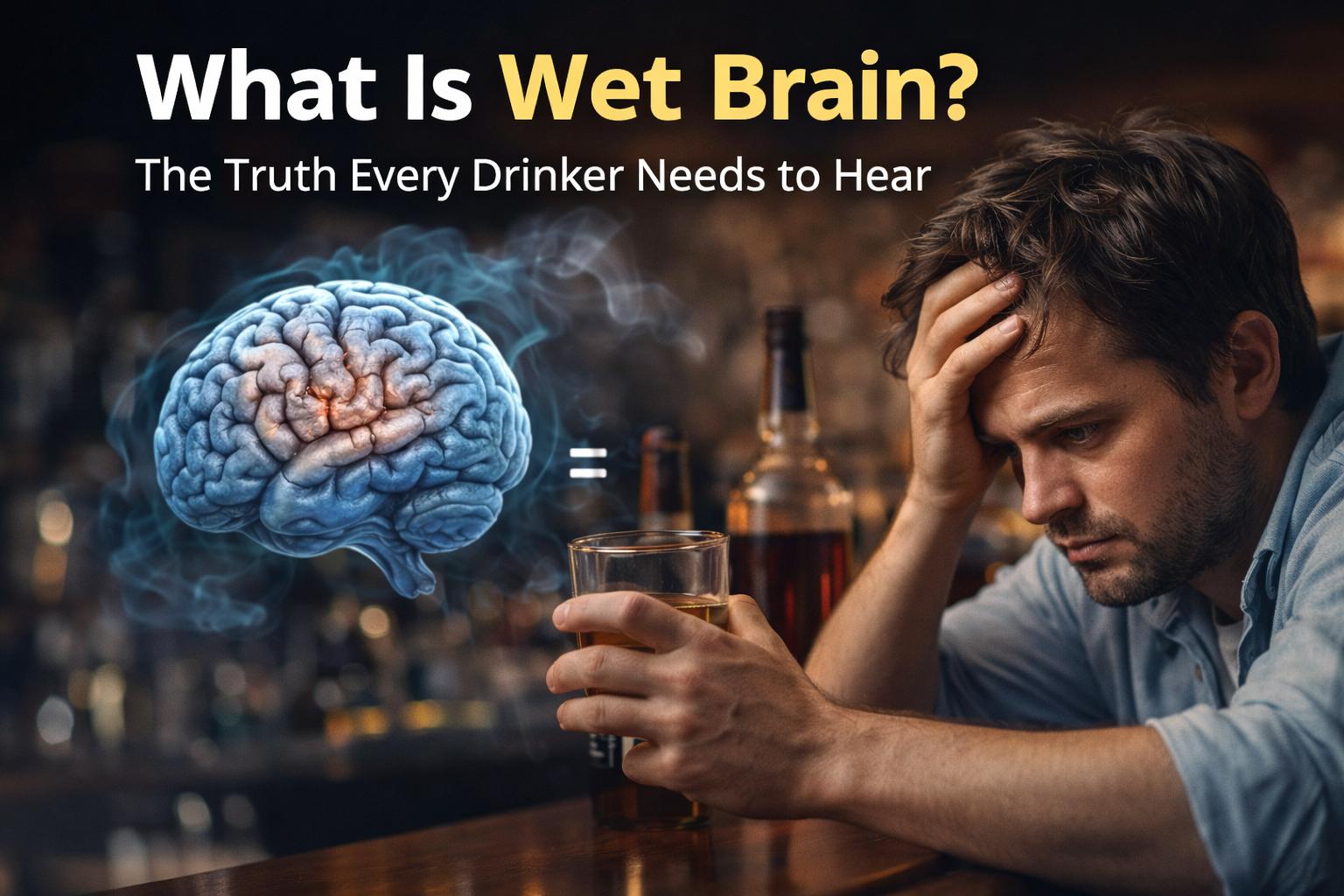
What is Wet Brain? The Risky Truth Every Drinker Needs to Hear Now

Here's something they don't mention during happy hour: hours—not months—separate reversible brain damage from a permanent condition that steals your ability to form new memories. It's called wet brain, and it happens to people who never thought they were "that kind of drinker."

You might have heard it mentioned in passing. Maybe you laughed it off as something that only happens to people on the street. But Wernicke-Korsakoff syndrome isn't picky about zip codes or tax brackets. It shows up in boardrooms and studio apartments alike, and it doesn't wait until you "hit rock bottom" to begin its work.

What Makes Inpatient Rehab in Nebraska a Powerful Choice

If you’re exploring substance use recovery options, inpatient rehab in Nebraska offers a structured, supportive environment for safe withdrawal, intensive therapy, and long-term healing. With a network of accredited facilities across the state, you can access personalized detox plans, evidence-based therapies, and residential programs tailored to your needs. Whether you require medical detox in Nebraska or specialized care for co-occurring disorders, these centers prioritize your safety and comfort from admission through aftercare. In this article, you’ll learn what makes inpatient rehab in Nebraska a powerful choice for residents seeking immediate access to detox and residential addiction treatment. We’ll break down facility options, core services, substance-targeted programs, program durations, cost considerations, and state resources to help you plan the best path to lasting recovery.

Find the Best Inpatient Rehab in New York for Your Recovery

Finding the right inpatient rehab in New York can feel overwhelming, but understanding your options is the first step toward lasting recovery. Inpatient rehab in New York offers round-the-clock medical supervision, evidence-based therapies, and a structured residential environment designed to help you detox safely, address underlying issues, and build a strong foundation for sobriety. Despite over 95% of Americans needing drug or alcohol rehab not receiving treatment in 2023, completing an inpatient program and following through with aftercare greatly improves your chances of long-term success (American Addiction Centers).

Empathy vs. Tough Love: The DO and DON'T of Helping Your Loved One in Recovery

Are you struggling to support someone you love through addiction? In this eye-opening video, we explore why empathy is more effective than "tough love" when helping someone in recovery.

Embrace a Growth Mindset for Transformative Recovery Experiences

What if the voice telling you “you'll never change” isn't actually yours—and you can finally turn the volume down?


That internal critic has been running the show for too long. It whispers that you're broken, that recovery is temporary, that real transformation happens to other people—not you. But here's what that voice doesn't want you to know: your brain is literally designed to rewire itself. The same neuroplasticity that created destructive patterns can create healing ones. You're not stuck with the mindset that got you here.

What You Need to Know About Detox and Rehab Programs in New Jersey

You’re looking for a detox and rehab program New Jersey residents trust, and you have plenty of options. Whether you need medically supervised withdrawal, structured inpatient care, or therapies tailored to co-occurring conditions, the Garden State offers a full continuum of addiction treatment services. In this guide you’ll learn how detox management works, what to expect in an inpatient setting, how program timelines vary, which therapy methods are common, how dual diagnosis support is integrated, and what you need to know about insurance and costs. By the end you’ll be ready to select a rehab center that fits your needs and goals.

The Best Medical Detox Connecticut Facilities for Your Journey

Connecticut offers a variety of medical detox options, from hospital units to specialized residential centers. In this guide, you’ll learn about detox procedures, inpatient care structure, therapy models, timelines, and substance-specific protocols. You’ll also compare leading facilities across the state so you can choose the right setting for your journey. As you read, you’ll find links to more detailed resources, including alcohol rehab in connecticut, drug detox in connecticut, and dual diagnosis treatment connecticut, to help you explore next steps

Gaming as an Addiction and Its Effect on Mental Health

Ever watched someone you love disappear behind a screen for 14 hours straight, emerging only when their body demands food or sleep? You're not imagining it—and you're not alone.

Once harmless fun, it now steals sleep, relationships, and peace of mind. Sunlight is less appealing than screen glow. Game sessions last hours or weekends. Responsibilities and virtual achievements mount.

This goes beyond "too much screen time." The WHO recognizes gaming disorder as a behavioral condition, confirming what millions of families already knew: gaming hijacks the brain's reward system like any other addiction. Compulsive behavior has flourished in digital or video gaming due to its endless progression systems and social connections.

Behind the controller is a complex mental health network. Gaming addiction is linked to anxiety, low self-esteem, and a cycle of using virtual worlds to escape emotional pain. Games meant to provide temporary escape can become digital prisons that harm mental health.

If this feels painfully familiar, it's real, treatable, and doesn't have to define the story.

Discover the Best Long Term Rehab in New Jersey for You

You’re ready to take the next step toward lasting recovery, and choosing the right long term rehab New Jersey program can make all the difference. Long term rehab offers extended care beyond the typical 28-day stay, giving you time to build coping skills, stabilize your health, and reinforce sober habits. Whether you’re facing alcohol dependence, opioid use disorder, or a co-occurring mental health condition, a tailored long-term program in New Jersey can help you address the root causes of addiction and support sustained sobriety.

Top Residential Addiction Treatment Options in Nebraska

You’re looking for residential addiction treatment Nebraska options that offer comprehensive withdrawal care, inpatient stabilization, and therapy tailored to your needs. Whether you’re facing alcohol, opioid, or stimulant dependence, understanding the state’s continuum of residential services can help you choose the right program and timeline for lasting recovery.

Reliable Alcohol Rehab in New Jersey Facilities for You

When you’re evaluating alcohol rehab in New Jersey, it helps to know how services are organized and funded. The New Jersey Division of Mental Health and Addiction Services (DMHAS) serves as the state’s single authority for policy on substance use disorder treatment, prevention, and recovery support services, including alcohol rehab in New Jersey. DMHAS funds a full continuum of care—from detoxification and outpatient support to short- and long-term residential programs—while private providers follow American Society of Addiction Medicine (ASAM) placement criteria to guide treatment decisions.


How Luxury Residential Treatment Centers Heal Relationships Damaged by Addiction

Ever wondered how luxury inpatient rehab centers transform shattered relationships into bonds that last a lifetime? Discover the exclusive, holistic approach that not only paves the way to sobriety but also heals the emotional wounds of addiction—rebuilding trust, fostering honest communication, and creating a future full of hope.

Luxury Rehab in LA: Breaking Stigma Through Quality Care

Ever wondered why some people roll their eyes at the mention of "luxury rehab"?
The truth is that quality care isn't a luxury—it's the key to breaking addiction's grip.

When addiction strikes, treatment shouldn't feel like punishment. Yet stigma keeps many from seeking help, especially when they hear whispers about "fancy rehabs for celebrities." However, what people often overlook is that luxury rehab centers in Los Angeles are revolutionizing recovery by prioritizing holistic healing, personalized care, and dignity, not just luxurious amenities

Why You Can't Feel Joy in Recovery: Anhedonia After Addiction

Struggling to feel joy in recovery? You're not alone. Anhedonia - the inability to feel pleasure - affects countless people in early sobriety, but understanding why it happens is the first step toward healing. Contact Wish Recovery today for personalized support that addresses every aspect of your recovery journey.

Your Guide to Top Detox and Rehab Centers in Connecticut

As you research a detox and rehab center Connecticut residents rely on, you need clear insights into detox procedures, inpatient care structures, therapy models, treatment timelines, and substance-specific protocols. In this guide, you’ll find an overview of medical detox, residential and partial hospitalization programs, evidence-based therapies, and specialized tracks for opioids, stimulants, and co-occurring disorders. Whether you’re exploring drug rehab in connecticut or seeking comprehensive dual diagnosis support, this resource will help you weigh your options and take the next steps toward lasting recovery.

How Heroin Detox in Massachusetts Can Help You Regain Control

You’re not alone in seeking heroin detox Massachusetts offers a range of evidence-based programs to help you regain control over your life. Whether you’re facing acute withdrawal, managing co-occurring mental health issues, or planning the next phase of your recovery, medically supervised detox and structured residential treatment can give you the safest, most effective start. In this article, you’ll learn what detox looks like in Massachusetts, how service levels differ, what comes after withdrawal management, and how to access financial support and community resources

Are Drunk Words Sober Thoughts? What Psychology Says

You said something last night you can’t take back. Or maybe someone said something to you—and now you’re lying awake wondering if the alcohol cracked open something real. The old saying claims drunk words are sober thoughts. But what if the truth is messier, more human, and worth understanding on its own terms?

Clinical Review


The phrase “drunk words are sober thoughts” is compelling, but it oversimplifies how alcohol affects the brain. While alcohol lowers inhibitions, it also impairs judgment, distorts perception, intensifies emotions, and reduces the brain’s ability to communicate with accuracy and nuance. As a result, what people say while intoxicated may contain fragments of genuine emotion, but it rarely represents the complete truth.

Alcohol suppresses the prefrontal cortex—the part of the brain responsible for impulse control, decision-making, and weighing consequences. This creates the illusion of honesty, when in reality the brain is operating with reduced self-control and incomplete information. According to Alcohol Myopia Theory, intoxication narrows attention to the strongest emotion in the moment, causing feelings like affection, anger, insecurity, or resentment to become exaggerated while context and perspective fade away.

Research suggests that alcohol amplifies existing emotions rather than creating new ones. A drunken confession may reflect a real underlying feeling, but alcohol often magnifies it, strips away nuance, and expresses it in ways the person would not choose when sober. Personality traits, emotional state, and social environment also shape what emerges during intoxication, meaning drunk behavior is not simply an unfiltered version of someone's "true self."

If someone says something hurtful while drunk, it's best not to dismiss it entirely—or accept it as absolute truth. Instead, wait until sobriety, discuss what happened calmly, and explore the emotions behind the words rather than focusing solely on the exact statements. Likewise, if you regularly say things you regret while drinking, repeated patterns may indicate it's worth examining your relationship with alcohol, especially if drinking continues to damage relationships or cause recurring remorse.

Ultimately, drunk words are better understood as sober feelings filtered through an impaired brain rather than direct access to hidden truths. The conversations that matter most—and those most likely to heal relationships—are the ones that happen sober, when emotions can be expressed honestly, thoughtfully, and with accountability. If alcohol repeatedly leads to regrettable conversations or emotional harm, seeking professional support can help address both communication patterns and drinking behaviors.
 

ROZ RAZZAGHMANESH
Clinical Director, LMFT 102602
WISH RECOVERY

Key takeaways

  • Alcohol lowers inhibitions but also distorts perception, judgment, and emotional intensity.
  • Drunk words may carry fragments of real feeling—rarely the whole truth.
  • What you do after the confession matters more than what was said during it.
  • And patterns of drunk confessions may signal a relationship with alcohol worth examining.

If what was said last night is still echoing, you don’t have to sort through it alone. Talk to someone who understands—reach out to Wish Recovery today.

Can GLP-1s Treat Alcohol Use Disorder? 2026 Research

You typed something into a search bar tonight that you've been thinking about for weeks. Maybe months. Something about GLP-1, alcohol, and whether the stories about Ozempic and drinking are pointing toward something real. We've been watching this research too, and we want to share what we've learned.


Clinical Review

Semaglutide (Ozempic/Wegovy) is showing promising results for reducing alcohol cravings and heavy drinking by acting on the brain's reward system. Recent studies found fewer heavy drinking days and a lower risk of alcohol-related hospitalizations among people taking GLP-1 medications.

However, semaglutide is not FDA-approved for alcohol use disorder and is typically used off-label under medical supervision. Experts emphasize that it works best alongside therapy and comprehensive addiction treatment rather than as a standalone solution.

While the early research is encouraging, larger and longer-term studies are still needed to determine its long-term effectiveness and the patients most likely to benefit.


ROZ RAZZAGHMANESH
Clinical Director, LMFT 102602
WISH RECOVERY


Key Takeaways

  • New 2026 research shows semaglutide can reduce alcohol cravings and heavy drinking days.
  • GLP-1 medications work on the brain's reward system, where the pull toward drinking lives.
  • Semaglutide isn't FDA-approved for alcohol use disorder—it's used off-label with medical supervision.
  • Medication alone doesn't replace therapy, dual-diagnosis care, or the structure of residential treatment.

You don't have to figure out whether this applies to you alone. Reach out to our team at Wish and start a private, no-pressure conversation. Talk to Someone at Wish