











Wish Recovery’s Blog Category

Drug & Alcohol Detox

Does UnitedHealthcare Cover Rehab and Detox? A 2026 Guide

You're holding the insurance card, running numbers before you've even said the word rehab out loud. That fear is real. It makes sense. So does the question underneath it: will United Healthcare actually pay for this? The short answer is yes. In most cases, drug and alcohol rehab and detox are covered under your health insurance plan. But how much your insurance coverage actually pays changes everything about your bill. So does your network and the conditions attached. This guide walks you through your United Healthcare coverage options, plainly, and what your plan may not cover.

Key takeaways

  • UnitedHealthcare covers medically necessary rehab and detox through Optum Behavioral Health, its behavioral health partner.
  • Coverage often stretches from detox through outpatient rehab, including PHP and IOP, once medical necessity is established.
  • With a PPO, out-of-network rehab centers are on the table, but reimbursement gets calculated differently than in-network care.
  • That's different from UnitedHealthcare's Medicare inpatient rehab benefit, which covers physical recovery, not addiction treatment.


You don't have to sort through plan language alone. Reach out to our team for a confidential conversation about what's possible for you.


Out-of-State Rehab & PPO Coverage: How It Actually Works

Somewhere between deciding you need addiction treatment and booking a flight, one question stops everything: will your insurance follow you out of state? Most PPO plans include an out-of-network benefit built for exactly this situation. When a rehab center isn't in-network, there's often a specific tool your admissions team can request on your behalf. This guide walks you through how out-of-state rehab, PPO coverage, single case agreements, and discreet travel work, so you're deciding with real information instead of guesswork.

Key takeaways

  • Many PPO plans cover addiction treatment out of state, so your options don't stop at the state line.
  • When a rehab center isn't in-network, a single case agreement can bring costs closer to in-network rates.
  • Federal parity law requires insurers to cover behavioral health care no more restrictively than physical health care.
  • Substance use treatment records carry stronger federal privacy protections than general health records, supporting discreet travel.


You don't have to have every insurance question answered before you reach out. Talk with our admissions team today, and we'll help you map out your treatment options.


How to Choose a Luxury Residential Rehab: An Honest Guide for Families

Five browser tabs open. Five infinity pools. Five "world-class" claims. At some point, luxury rehab websites start looking like the same brochure with a new logo on top.

That skeptical feeling isn't distrust. It's smart.

This guide skips the sales pitch. We'll cover what actually makes a luxury residential rehab worth choosing.

Real accreditation you can check yourself. An honest staff-to-client ratio. The red flags most families never hear about.

Key takeaways

  • Luxury amenities and real clinical quality are only weakly linked, so comfort alone shouldn't decide your choice.
  • A legitimate rehab holds a current state license plus at least one independent accreditation you can verify yourself.
  • Ask for the actual clinician-to-client ratio today, not a marketing number or a maximum capacity.
  • Patient brokering, pressure to decide fast, and guaranteed beds before insurance verification are real warning signs.

Vetting a rehab shouldn't feel like a second job. Talk with our admissions team about any question in this guide, no commitment required.


Gambling and Alcohol Addiction: Why They Go Together

Maybe it started with one drink to steady your nerves before you sat down to play. Or maybe the losses came first. Pouring a drink was the only thing that quieted the noise afterward. If gambling and alcohol addiction feel like the same problem wearing two faces, you are not imagining a pattern. You are describing a real one, and there is a reason it happens.

Key takeaways

  • Gambling addiction and alcohol addiction often develop together. They share the same reward pathway in the brain, not weak willpower.
  • Twin research shows genetic and environmental factors explain much of the overlap between gambling disorder and alcohol use disorder.
  • An addictive personality is a real, researched vulnerability. It is not an excuse you made up.
  • Treating both addictions together, instead of one at a time, tends to work better.


You do not have to sort out which addiction came first before reaching out. Talk with our team confidentially today, and let us help you make sense of it.


What is Luxury Rehab?

Here’s the truth nobody wants to say while comparing rehab centers at 2:17 a.m.: two programs can promise the same “evidence-based care,” look equally beautiful online, and still produce very different outcomes. If you’ve clicked through luxury rehab websites and felt more confused than hopeful, that’s not you—it’s the industry speaking in fog.


For families looking at rehab centers for drugs, the stakes feel personal and immediate, not theoretical. You’re not shopping for amenities—you’re searching drug rehabilitation facilities that can actually stabilize a brain and a life.

What is NAD+ Therapy and How Can it Help Me During Detox?

NAD+ therapy is an IV treatment that is often used to combat the degenerative effects of aging, however, it is quickly gaining popularity as a treatment for drug and alcohol addiction. This trendy treatment is able to reduce withdrawal symptoms, alleviate drug cravings, boost energy levels, and improve mental clarity by healing your body at the cellular level.

Recovery Types: The Differences Between Passive and Active Recovery

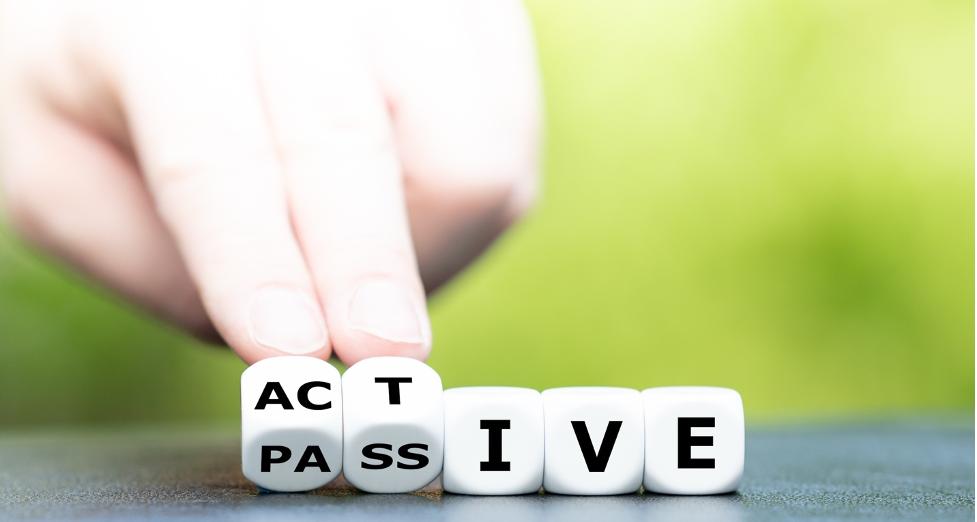
An essential thing to remember about recovery is that it is a process. There are two ways to recover from alcohol use and substance use disorders: passively and actively. Passive recovery involves abstinence from drugs or alcohol without treatment. In contrast, active recovery requires both abstinence and professional care. Between the passive and active ends of the recovery spectrum, exists variations in degree and many combinations of both extremes—depending on the individual in recovery. The choice between these two methods usually depends on the severity of the condition and the support system in place.

Understanding Substance Misuse, Abuse, Dependence and Addiction

Knowing the differences between the misuse and abuse of drugs or having a dependence on or an addiction to psychoactive substances like alcohol or pain relievers can help you communicate to others, particularly medical and mental health professionals, about your relationship with substances. These affiliated terms of substance use may seem to represent the same thing, and you'll find that some providers use a few of them interchangeably. But, if you want to understand the breadth of your relationship with psychotropic substances, the descriptions of these terms below may be informatively revealing.

Clear Mind Vs. Addiction Mind & Clean Mind

A clear mind is synthesized as the convergence point of a clean mind and an addiction mind. With a clear mind, you're sober, but you also recognize warnings and take precautions to avoid relapse.


To have a clean mind is to be sober and free from problematic addictive behavior for an extended time, yet to be utterly ignorant of the risks and desires associated with returning to it. Having a clean mind might make you feel like you can conquer your addiction and never give in to the urge to use substances or drink again. This is the fallacy of sobriety, in that there is the conviction that one is no longer affected by addiction.

The Newness of You: Building a New Life After Addiction

Taking the first step towards recovery is a crucial part of a transformative journey toward a fulfilling life of sobriety. Although it may seem daunting, you possess the strength to grow and improve daily.


Rebuilding a life after addiction requires immense courage, determination, and a supportive community recognizing the challenges ahead. It is a journey that necessitates introspection, progress, and the cultivation of healthy coping mechanisms to overcome obstacles.

Exploring Alternative Treatment Beyond 12-Step Programs for Addiction

Why do relapse rates for addiction treatment reach 40-60% within just six months? The answer might surprise you—and change everything about how you view recovery.


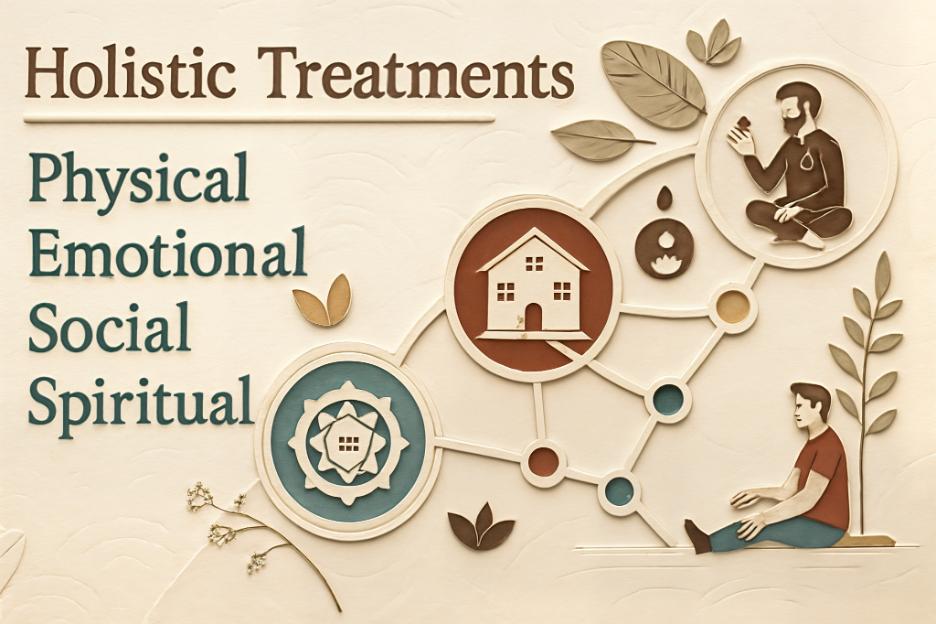
If you've tried traditional addiction treatment without lasting success, you're not alone. Millions of people are discovering that recovery isn't one-size-fits-all—it's deeply personal. Alternative addiction treatment models are revolutionizing how we approach healing by addressing your whole self: mind, body, and spirit. From holistic therapies and mindfulness practices to personalized family support, these innovative approaches offer hope where conventional methods may have fallen short. Your unique journey deserves a unique path to recovery.

Cultural Alcoholism and Drinking Cultures Around the World

Alcohol consumption is a socially and culturally ingrained phenomenon that has been a part of human history for centuries. This has led to the development of cultural alcoholism, which is a term used to describe excessive and problematic drinking within a culture or social group. Social norms and ideas around drinking have shaped the history of many societies, leading to the risk of developing alcohol use disorder (AUD), chronic relapsing brain disease, compulsive alcohol use, loss of control over drinking, and negative emotional states when not using alcohol. Cultural norms about drinking alcohol can affect how and why a person drinks and feels about it. This can have a considerable effect on alcohol-related problems.

Elite Privacy in Luxury Rehab Center for Confidential Addiction Recovery Treatment

Are you ready to seek help for addiction, but every time you consider treatment, one thought stops you cold—what if someone finds out? What if your career, reputation, or relationships suffer because you dared to prioritize your health?


You're not alone in feeling this way. The fear of judgment and exposure prevents countless people from getting the desperately needed help. This is where discreet treatment becomes not just a preference, but a necessity for recovery success.


At Wish Recovery, we understand that healing requires more than medical expertise—it demands complete privacy and emotional safety. Our exclusive 12-client maximum ensures you'll never feel lost in the crowd or worry about bumping into someone you know. In this article, you'll discover precisely how discreet luxury rehab protects your confidentiality while delivering the personalized care that transforms lives for good.

Introducing Intravenous Detox: The Next Step in Safe, Medically Supervised Recovery

When considering addiction treatment options, it's critical to look at how the treatment center approaches detoxification. Detoxing involves many risks, sometimes life-threatening when attempting cold turkey at home or without medical supervision. The safest and most effective approach is to have a medically supervised detox at a treatment facility.

Understanding the Stages of Recovery and How a Luxury Rehab Helps You Take the First Step

Have you ever wondered what it truly takes to move from the chaos of addiction to a life of clarity and hope? The recovery journey can be overwhelming. It raises many questions. But you don't have to face it alone. Like many at a crossroads, you may be searching for answers. Is authentic transformation possible? SAMHSA reminds us that "recovery is a process, not an event, often involving multiple stages and setbacks."

Recovery is not a moment or a decision. It’s a journey. It unfolds across distinct stages, each with its own challenges and growth opportunities. There's no decisive set amount of time. The 5 stages of addiction recovery are practical steps. They guide you from the courage it takes to ask for help to the hard work of rebuilding a fulfilling life. They complement the recovery phases (like contemplation and action). Those phases focus on your mental and emotional readiness for change. They create a roadmap for healing. It addresses both your mentality and the steps needed for lasting sobriety.

Your Path to Health with Alcohol Detox in Wisconsin

You’re taking the first step toward lasting wellness when you explore alcohol detox in Wisconsin, a critical process that helps you manage withdrawal safely and prepare for ongoing recovery. Whether you’re facing physical symptoms or emotional challenges, understanding how detoxification works in your state empowers you to make informed decisions and find the right level of care.

Drug Use in Silicon Valley: Dysfunctional Fused Drug and Work Cultures

Silicon Valley is frequently associated with technology, the internet and riches. It is the birthplace of Facebook, Apple and Google. Peeling back the veil of technical progress reveals a culture of drugs and excess that all too frequently leads to drug addiction and overdose.

Medical Supervision for Alcohol Detox

Alcohol addiction or alcohol use disorder (AUD) is the most common form of substance abuse, afflicting an estimated 14.4 million American adults. Heavy or long-term alcohol use can lead to life-threatening diseases, affecting productivity and relationships.

How to Be the Best Version of Oneself with 7 Tenets of Transformation in Recovery

Recovery from addiction is an ongoing process that requires personal development and self-improvement. It involves recognizing one’s weaknesses, intentionally altering damaging behaviors, and releasing negative thoughts and limiting beliefs. A mindset focused on growth is essential for a satisfying life in recovery. Creating a purposeful life after recovery entails more than just avoiding addictive substances and behaviors. Below are seven “tenets of transformation” that provide practical methods for cultivating personal growth and attaining a healthier, happier existence. These principles, when embraced, empower individuals to reinvent themselves and become the best version of themselves, leading to a more fulfilling life in recovery.

Explore Trusted Detox and Rehab Programs in New York Now

You deserve access to a trusted detox and rehab program new york. Whether you’re beginning your recovery journey or seeking specialized care, New York offers a diverse network of medical detox services, residential rehabilitation models, and therapy structures tailored to your needs. This guide will help you navigate options from medical detoxification to aftercare support, empowering you to make informed decisions about your path to recovery.